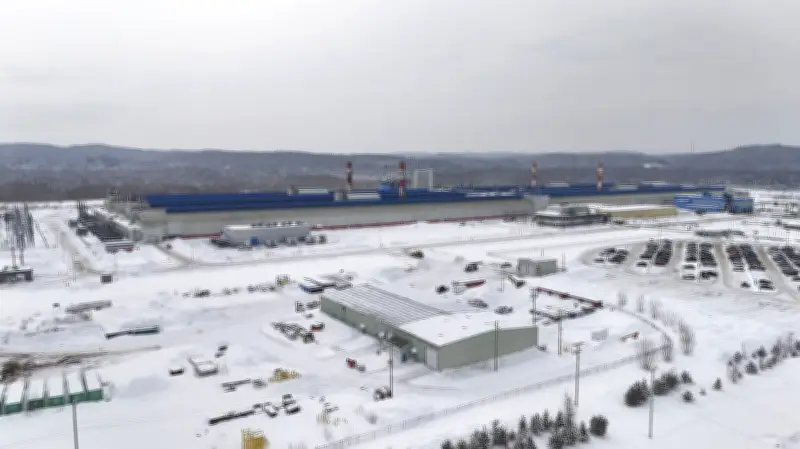
Quebec aluminum smelters are demonstrating unexpected resilience in the face of U.S. tariffs, according to a recent analysis. The Laterrière Rio Tinto aluminum plant in Saguenay, pictured on March 5, 2025, stands as a symbol of the industry's adaptability.
Industry Performance Amid Trade Tensions
Despite the imposition of U.S. tariffs on Canadian aluminum, Quebec's smelters have managed to maintain production levels and competitiveness. Industry experts attribute this to strategic investments in technology and energy efficiency, which have reduced costs and environmental impact.
The Canadian Press reported on June 5, 2026, that the sector's resilience is a testament to its long-term planning and innovation. Companies like Rio Tinto have focused on modernizing facilities and securing renewable energy contracts, insulating them from trade disruptions.

Economic Impact and Future Outlook
The aluminum industry remains a key economic driver for Quebec, supporting thousands of jobs and contributing significantly to the province's GDP. While tariffs pose challenges, the sector's adaptability suggests it can weather the storm.
Looking ahead, continued investment in green technology and diversification of export markets could further strengthen the industry's position. Trade negotiations between Canada and the U.S. will also play a crucial role in shaping the future landscape.