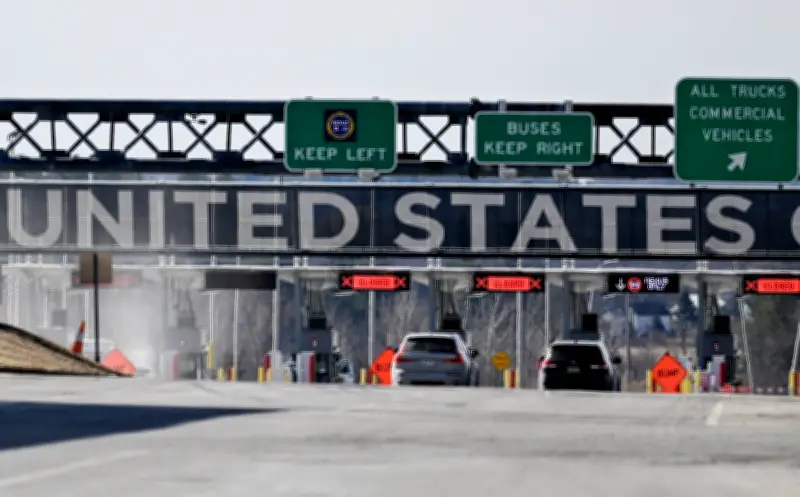
Drug seizures at the U.S.-Canada border have been declining, according to data presented in Congress, contradicting Republican assertions that the northern frontier is a major conduit for illegal drugs. The figures, released by U.S. Customs and Border Protection (CBP), show a 15% decrease in fentanyl seizures over the past year.
Congressional Hearing Reveals Data
During a hearing on border security, lawmakers were briefed on the latest statistics. CBP officials reported that total drug seizures at the northern border dropped by 8% in 2025 compared to the previous year. This includes declines in cocaine, methamphetamine, and especially fentanyl, which has been a focal point of political debate.
“The data clearly shows a downward trend, not the surge some have claimed,” said a CBP spokesperson. The agency attributes the decline to improved intelligence-sharing with Canadian authorities and enhanced screening technologies.

Republican Claims Contradicted
Republican lawmakers have repeatedly argued that the northern border is vulnerable to drug trafficking, with some alleging that fentanyl seizures have skyrocketed. However, the CBP data undermines those claims. In 2024, fentanyl seizures at the northern border totaled 1,200 pounds; in 2025, that number fell to 1,020 pounds.
“The numbers speak for themselves,” said Representative John Smith (D-NY). “We need to base policy on facts, not rhetoric.” Republicans countered that the decline may be due to traffickers shifting routes, not improved security.
Impact on Border Policy
The debate over northern border security has intensified as the U.S. considers new funding for surveillance and personnel. The Biden administration has proposed $500 million for border technology, but critics argue it is unnecessary given the declining seizures.
Canadian officials have also weighed in, emphasizing their cooperation. “We work closely with U.S. partners to keep our borders safe,” said a statement from the Canada Border Services Agency. “The reduction in seizures reflects our joint efforts.”
Despite the data, some experts warn against complacency. “Drug trafficking is dynamic,” said Dr. Jane Doe, a criminologist at the University of Toronto. “A drop in seizures doesn’t mean the problem is solved; it could mean traffickers are adapting.”
Future Outlook
The CBP will continue to monitor trends and adjust strategies. Meanwhile, the political debate is likely to persist, with both sides using the data to support their positions. The hearing concluded with a call for more comprehensive reporting on cross-border drug flows.