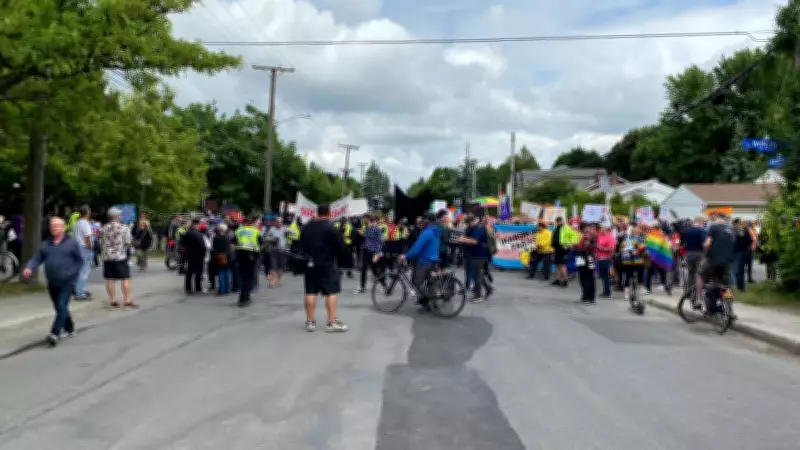
The Canadian Civil Liberties Association (CCLA) has denounced Ottawa's bubble zone bylaw as a direct attack on freedom of expression, warning that it is part of a troubling trend across the country. The bylaw, which creates designated areas around certain locations where protests and counter-protests are restricted, has sparked significant debate about the balance between public safety and constitutional rights.
Counter-Protests Highlight Tensions
Members of Community Solidarity Ottawa, Horizon Ottawa, along with various community groups and residents, recently held a counter-protest near two Ottawa schools. The demonstration aimed to voice opposition to the bylaw, which they argue stifles legitimate dissent and infringes on Canadians' charter rights. The CCLA has echoed these concerns, stating that the bylaw sets a dangerous precedent for limiting expression in public spaces.
Worrying National Trend
The CCLA's criticism comes as similar bubble zone measures are being considered or implemented in other Canadian municipalities. The organization warns that such bylaws could have a chilling effect on political activism and public discourse. According to the CCLA, while protecting access to services like healthcare and education is important, these measures must not come at the expense of fundamental freedoms.

Ottawa's bylaw was introduced in response to ongoing conflicts between pro-choice and anti-abortion activists outside clinics and schools. Supporters argue that the zones help prevent harassment and intimidation, but critics contend that they go too far in restricting peaceful assembly.
The debate continues as legal challenges and public protests mount, with the CCLA calling for a more balanced approach that upholds both safety and expression. The outcome of this controversy could have lasting implications for how Canadian cities regulate public demonstrations.