Alina Fernández, the daughter of the late Cuban leader Fidel Castro, has expressed her disdain for the Cuban regime while simultaneously warning the international community not to underestimate its staying power. In an exclusive interview, Fernández, who has been a vocal critic of the Cuban government, shared her perspective on the current political landscape in Cuba.
A Complicated Legacy
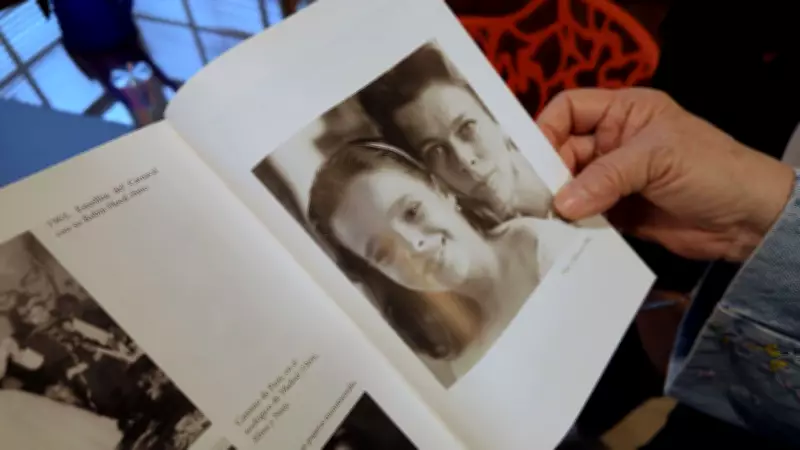
Fernández, born to Fidel Castro and his mistress, has long been estranged from her father and his political ideology. She left Cuba in the 1990s and has since lived in the United States, where she has spoken out against the Castro regime. Despite her personal grievances, she cautioned that the regime should not be dismissed as weak or on the verge of collapse.
Resilience of the Regime
“The Cuban regime is more resilient than many people think,” Fernández said. “It has survived decades of economic hardship, international isolation, and internal dissent. Underestimating it would be a mistake.” She pointed to the regime’s ability to adapt and maintain control through a combination of repression, propaganda, and strategic alliances.

International Implications
Fernández’s comments come at a time when Cuba faces renewed scrutiny from the international community. The United States has maintained a trade embargo against the island nation for over six decades, and recent political shifts have led to increased tensions. Fernández urged world leaders to approach Cuba with caution and to recognize the regime’s capacity to withstand external pressure.
Personal Reflections
Despite her criticism, Fernández expressed a sense of melancholy about her homeland. “I love Cuba and its people,” she said. “But I cannot love the regime that has caused so much suffering.” She hopes that her warnings will encourage a more nuanced understanding of the situation in Cuba, one that acknowledges both the regime’s flaws and its durability.