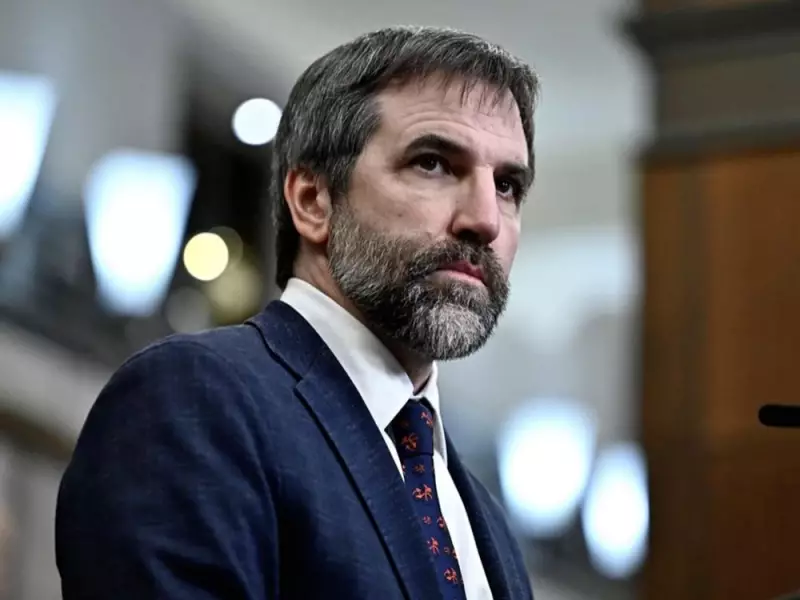
Prime Minister Mark Carney is steering the Liberal Party toward a more centrist political stance, a move that is becoming increasingly evident in the wake of former environment minister Steven Guilbeault's departure. Carney's recent agreement with Alberta, which trades support for energy infrastructure for stricter climate measures, represents a significant recalibration of Liberal policy.
A Delicate Political Balancing Act
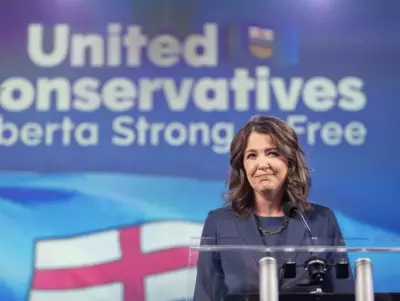
The memorandum of understanding (MOU) signed with Alberta in late 2024 is a cornerstone of this shift. The deal opens the door for a potential new oil pipeline to the West Coast and encourages a major investment boom in gas-fired electricity generation. In exchange, Alberta has agreed to a higher industrial carbon tax and the adoption of carbon-capture technology.
This pragmatic approach has inevitably caused friction with the party's progressive wing, which was more aligned with Steven Guilbeault's vision. Guilbeault, who served as environment minister under former Prime Minister Justin Trudeau, was a staunch advocate for stringent regulations on the oil and gas sector. His stance, which included measures like an oil emissions cap and a reluctance to recognize natural gas as a transitional fuel, has been set aside under Carney's leadership.

Internal Party Dynamics and the Road Ahead
Despite the policy pivot, Carney appears to have avoided a major internal revolt. Liberal MPs from Ontario and Quebec report no signs of a significant backlash or growing party split following the announcement. This internal stability is crucial for Carney, as he continues his mission to reposition the Liberals at the centre of Canada's political spectrum.
This repositioning does not mean a wholesale abandonment of traditional Liberal values. Carney's platform still includes commitments to strengthen institutions like the CBC, bolster equality and Charter rights, and fund LGBTQ programs. However, he has also made moves that defy traditional partisan expectations, such as increasing defence spending and, most notably, striking the controversial deal with Alberta.
Navigating Policy Reversals and Political Scrutiny
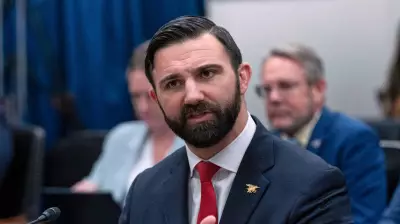
The shift has created some awkward moments for cabinet ministers tasked with defending the new direction. Environment Minister Julie Dabrusin faced tough questioning at a parliamentary committee on December 1, 2025. Opposition members grilled her on why she now supports walking away from policies she previously championed as Guilbeault's parliamentary secretary, including the consumer carbon tax and the oil emissions cap.
Dabrusin defended the government's approach, arguing that "we are taking real actions, and we are doing that in collaboration with the provinces and territories." This collaborative federalism is central to the MOU's philosophy, marking a departure from Guilbeault's more confrontational regulatory strategy. The previous clean electricity regulations, now suspended, would have effectively halted new natural gas investment after 2035, a policy seen as stifling to Alberta's economy.
With Guilbeault choosing to step back from the cabinet—replaced by former Immigration Minister Marc Miller—and no substantial uprising from Liberal MPs, Carney's path to the political centre seems clear. His ability to balance economic pragmatism with core Liberal principles will define his tenure and the party's future as it seeks to broaden its appeal to Canadian voters.