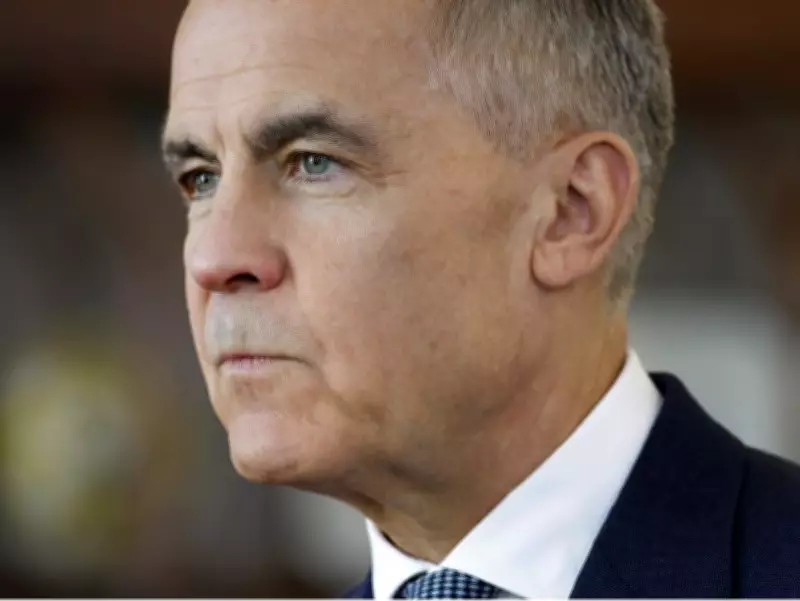
Carney's Contradictory Stance on U.S. Relations Sparks Debate
In a recent video address, Prime Minister Mark Carney issued stark warnings about the dangers of maintaining close ties with the United States, even invoking the War of 1812 to emphasize the need for Canada to pivot away from its southern neighbor. However, this rhetoric stands in sharp contrast to Carney's extensive personal investments in American companies, revealing a complex and potentially hypocritical position on economic policy.
Carney's Deep Financial Ties to the U.S. Economy
Before assuming office, Carney served as chair of Brookfield Asset Management, overseeing the firm's relocation of its headquarters from Toronto to New York. Additionally, he held board positions at Bloomberg Philanthropies in New York and Stripe in San Francisco. Upon becoming prime minister, Carney placed his investment portfolio in a blind trust, but disclosures showed that 91% of his holdings were in American firms. Out of 567 companies listed, only three were Canadian, with more investments in Irish, British, and Dutch entities than domestic ones. Notably, Carney held stock options in Brookfield worth $6.8 million, further cementing his financial stake in the U.S. economy.
Shifting Priorities on U.S. Trade Relations
Less than a year ago, Carney identified securing a new trade deal with the United States as his government's top priority, citing his personal familiarity with former President Donald Trump as an asset. Now, his recent warnings suggest a strategic shift, possibly to soften the blow if the Canada-United States-Mexico Agreement (CUSMA) is not renewed. This change in tone raises concerns about the stability of key industries like auto, steel, and lumber, where jobs are at risk due to potential trade disruptions.

The Fantasy of Trade Diversification
Carney advocates for diversifying Canada's trade partnerships, but economic realities paint a challenging picture. In 2024, Canadian exports to the United States totaled US$419.7 billion, dwarfing sales to other major markets such as China (US$21.1 billion), the U.K. (US$19.6 billion), and Mexico (US$6.1 billion). While Canada has expanded its free trade agreements to cover 51 countries, meaningful diversification would require years of effort and likely involve significant economic pain. Critics argue that Carney should focus on leveraging existing deals rather than pursuing unrealistic fantasies.
Political Motivations Over National Interests
Observers suggest that Carney's anti-U.S. rhetoric may be driven more by domestic political strategy than genuine economic concern. By positioning himself against Trump and American policies, he could rally support within his party, even if it harms the Canadian economy. This approach echoes past Liberal tactics of prioritizing party over country, leaving citizens to bear the brunt of economic fallout. As Carney continues to warn about U.S. ties while profiting from them, the disconnect between his words and actions becomes increasingly apparent, fueling debates about leadership and integrity in economic governance.