Carney Announces $100 Billion in New Spending with Vague Details
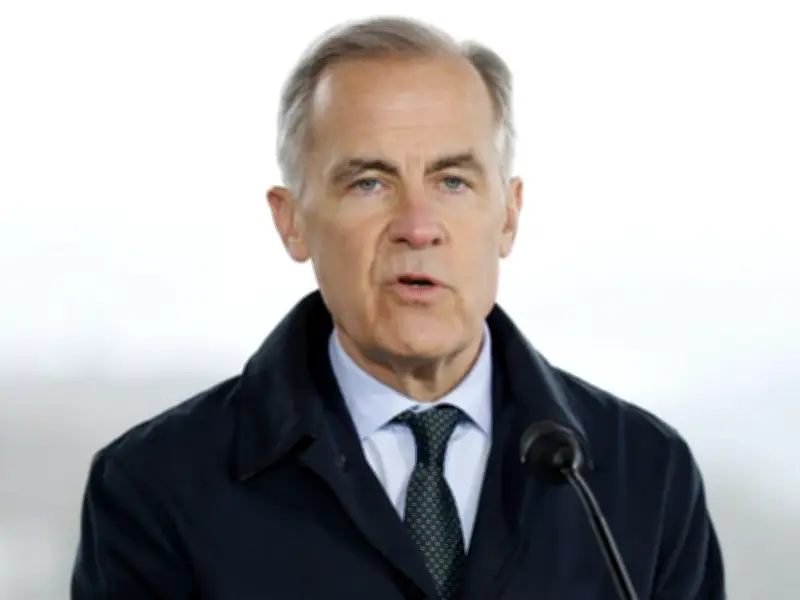
Prime Minister Mark Carney has been jetting across the country making announcement after announcement since the House of Commons broke for summer. He has unveiled roughly $100 billion in new spending, one of the largest waves of spending announcements outside the pandemic. This includes $30 billion in increased annual defence spending by 2030, between $35.2 billion and $43.7 billion for a new pipeline from Alberta to British Columbia's southern coast, and roughly $20 billion in new spending to pacify B.C.'s NDP government.
All these announcements came with vague price tags, minimal financial details, and little explanation of where the money is coming from. Considering that the Carney government plans to run deficits of at least $50 billion in each of the next five years, announcements of this scale deserve a great deal of scrutiny.
Experts and Critics Call for Transparency
Don Drummond, a professor at Queen's University School of Policy Studies who has been involved in federal budgets for the past 50 years, faulted the Carney government for its lack of transparency. “I've been involved with budgets in one way or another since 1977 and I've never seen such a lack of transparency,” Drummond told The Globe and Mail. Drummond is part of the C.D. Howe Institute's annual shadow budget, a project in which economists try to come up with the size of the federal deficit before the budget is tabled. “We're trying to generate a 'status quo' fiscal update, and we do not know what to do,” said Drummond. “Are these loans? Are they loan guarantees? Are they actual capital purchases, which, under accrual accounting, we just record as amortization? The answer to all of the above is 'I don't know.'”

Conservative Party of Canada finance critic Michael Chong also criticized the lack of transparency. “Each of these spending announcements raises questions that Mr. Carney must provide answers to: How much will taxes have to go up to pay for this? How much will social programs have to be cut? How much will increased interest payments on the national debt burden our children?”
Canadians Left in the Dark
Despite three major spending announcements, Canadians still don't know the full cost to taxpayers, how the commitments will be financed, or what impact they will have on future deficits. The federal Liberal government appears to have no intention of answering these questions. Carney seems to want to operate a “trust me” version of government. Whether it's in regulating the internet, making grand foreign policy pledges, or announcing literally $100 billion in new spending, Canadians are too often expected to accept sweeping decisions without the details needed to judge them.
The message is clear enough: Trust the government's judgment now and ask questions later. But that's not how responsible government is supposed to work. “Trust me” government has never worked. When politicians aren't accountable to the people, bad decisions and insular thinking inevitably follow. Being forthright about government decision-making shouldn't be optional, especially when tens of billions of taxpayer dollars are at stake.
It's time for Canadians to demand better. We deserve to know the details, especially when it comes to mortgaging our children's future. Governments don't earn trust by asking for it; they earn it through openness and accountability. Until the Carney government starts providing both, Canadians have every reason to keep asking hard questions.
Dr. Jay Goldberg is a political scientist and a fellow with the Frontier Centre for Public Policy.