Carney Outlines Governance Priorities After Securing Majority
Prime Minister Mark Carney has firmly dismissed speculation about an imminent general election or cabinet shuffle, instead directing his attention toward reforming House of Commons committees to prevent what he describes as opposition "showboating." These commitments came just hours after the Liberals solidified their majority government through recent byelection victories in Ontario and Quebec.
No Election or Shuffle in the Cards
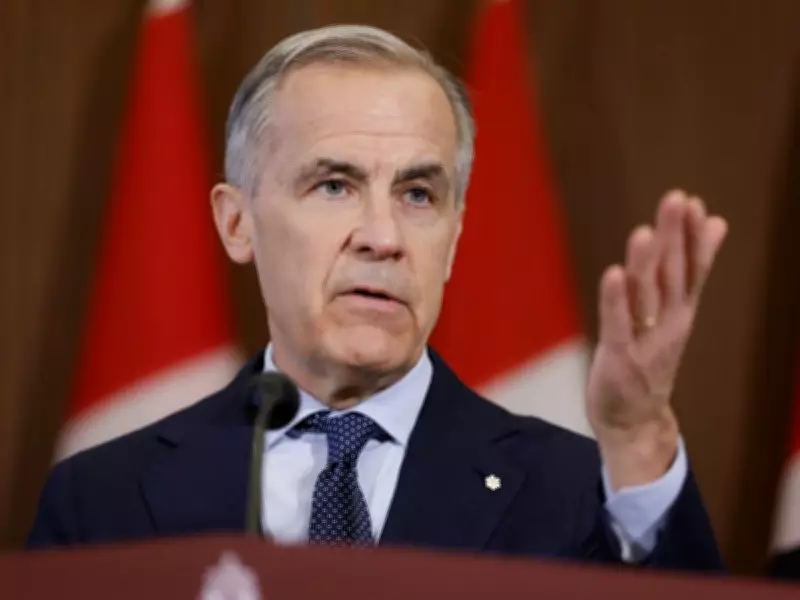
Speaking to reporters from Parliament's West Block, Carney unequivocally stated that he is not considering calling a general election anytime soon. This declaration directly addresses criticism from Conservative Leader Pierre Poilievre, who has accused the prime minister of building his majority through "dirty backroom deals." Carney emphasized the principles of Westminster democracy, noting that voters elect individual MPs who are free to align with the political party they believe best represents their constituents' interests.
"I think, very clearly Canadians want government to govern, to take action on immediate concerns," Carney added, underscoring his focus on legislative action rather than electoral maneuvering.

Similarly, Carney dismissed widespread rumors about a potential cabinet shuffle before the summer recess. In French, he stated, "It's not in my plans. I have the opportunity of having a very capable cabinet and there is a lot to do." This reaffirmation signals stability within his ministerial team as the government prepares to tackle its agenda.
Targeting Committee "Showboating"
The prime minister reserved his strongest comments for House of Commons committees, which have been a persistent challenge for his government during its minority tenure. Committees play a crucial role in the legislative process, serving as a required step for most bills. However, they also provide opposition parties with significant procedural tools to delay or amend government legislation.
Carney pointed to recent debates on the controversial Bill C-9, which targets hate symbols, as an example of committee dysfunction. During those discussions, Conservatives filibustered for hours in opposition to a Liberal-Bloc Québécois agreement that removed religious exemptions from certain hate speech laws.
"I aim to rewrite committee composition quickly to give the Liberals a majority there," Carney announced, explaining that this move would reduce opposition leverage. He accused opposition parties of engaging in "showboating" on committees, a comment likely to provoke strong reactions from Conservative and Bloc MPs who have used these forums to scrutinize government policies.
Majority Secured Through Byelections and Crossings
Carney's statements follow a historic shift from a Liberal minority government to a majority, achieved through Monday's byelections in Ontario and Quebec and the defection of five opposition MPs—four Conservatives and one NDP—to the Liberal Party in recent months. This newfound majority provides Carney with greater control over parliamentary proceedings, enabling him to pursue reforms like those targeting committee operations.
As the government moves forward, Carney's focus remains on governance rather than political theatrics. By ruling out an election and cabinet shuffle, he aims to project stability while addressing what he views as procedural obstacles in committees. These developments set the stage for a potentially contentious parliamentary session as opposition parties brace for changes that could limit their influence.