Prime Minister Carney Holds Talks with UK Opposition Leader Starmer in London
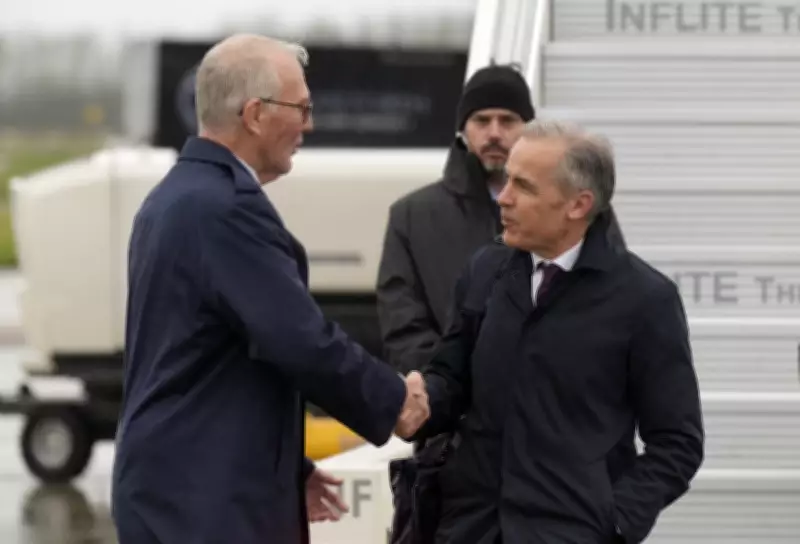
Prime Minister Mark Carney of Canada engaged in a high-level meeting with Keir Starmer, the leader of the United Kingdom's Labour Party, during a diplomatic visit to London. The discussions, held against the backdrop of escalating tensions in the Middle East, focused on the broader implications of the Iran war, which has severely disrupted critical international shipping lanes.
Global Shipping Routes Face Unprecedented Disruption
The ongoing conflict involving Iran has created significant turmoil in key maritime corridors, particularly affecting the Strait of Hormuz and other vital passages. This disruption has led to increased shipping costs, delays in global trade, and heightened insurance premiums for vessels navigating these volatile waters. The economic ripple effects are being felt worldwide, with supply chains experiencing strain and commodity prices fluctuating unpredictably.
Small businesses across Canada and other nations are reporting severe financial pressure due to soaring fuel costs directly linked to the war. Many entrepreneurs describe the situation as "pretty hard to swallow," as elevated expenses for transportation and logistics cut into already thin profit margins. The instability in the Middle East has injected new uncertainty into global energy markets, exacerbating existing inflationary pressures.

Diplomatic Efforts and Security Concerns
Carney's meeting with Starmer underscores the importance of international cooperation in addressing security threats and economic instability. The talks likely covered strategies for enhancing Arctic defence capabilities, a topic of mutual interest given Canada's recent collaboration with the Nordic Five to protect sovereignty in the region. Both leaders emphasized the need for a coordinated response to aggression, with Carney previously stating that the federal government's approach to the Iranian regime in Canada remains "aggressive" in terms of public safety measures.
The Bank of Canada is closely monitoring the situation, as the war adds another layer of complexity to an already clouded economic outlook. Analysts warn that prolonged conflict could further disrupt monetary policy decisions, impacting interest rates and inflation targets.
Broader Implications for Trade and Energy
The Iran war has been described by some experts as a form of "energy warfare," with direct consequences for oil and gas supplies. This has led to volatile pricing at pumps, exemplified by reports of Vancouver gas prices climbing over $2 per litre. The global energy market is experiencing heightened uncertainty, affecting everything from consumer spending to industrial production.
In related political developments, Conservative leader Pierre Poilievre made an auto sector announcement in Windsor, highlighting how domestic industries are navigating these challenging times. Meanwhile, international figures like Pope Francis have criticized those who invoke God to justify warfare, adding a moral dimension to the discourse.
As diplomatic dialogues continue, the focus remains on stabilizing shipping routes, mitigating economic fallout, and fostering international alliances to address the multifaceted challenges posed by the conflict. The outcomes of meetings like Carney's with Starmer will be crucial in shaping coordinated policies aimed at restoring security and economic predictability on a global scale.