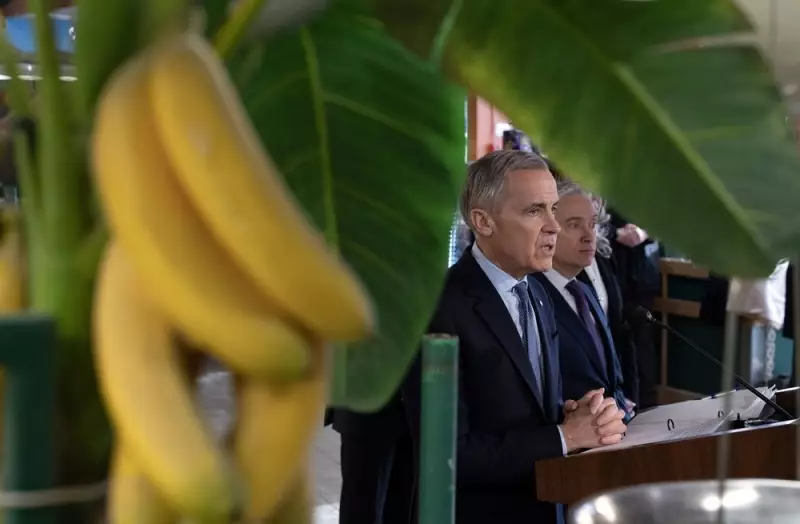
Prime Minister Mark Carney has firmly denied any intentions to call a snap election this spring, despite a series of actions that appear to be laying the groundwork for a potential campaign. The announcement came during a Monday morning event at an Ottawa grocery store, where Carney, flanked by Finance and National Revenue Minister Francois-Philippe Champagne, unveiled an enhanced GST rebate aimed at helping Canadians cope with soaring grocery costs.
Enhanced GST Benefit Targets Food Inflation
The newly branded Canada Groceries and Essentials Benefit represents a significant expansion of the existing GST credit system. This initiative is projected to reach approximately 12 million Canadians, providing a substantial financial cushion. Specifically, the benefit will see a 50% increase this year, followed by a 25% boost over the next four years compared to previous levels.
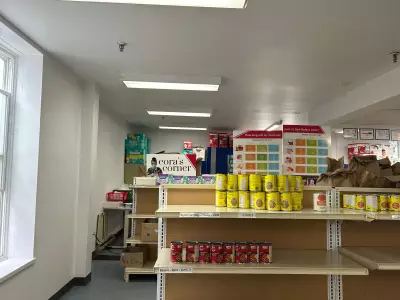
This move comes as food inflation continues to outpace core inflation rates. Recent data from Statistics Canada reveals that while overall inflation stood at 2.4% in December, food costs surged by 5%. Certain staples have experienced even steeper price hikes, with beef prices climbing nearly 17% and coffee costs skyrocketing by 30% compared to the previous year. Over the past five years, the same basket of groceries that once cost $100 now exceeds $125, highlighting the persistent economic pressure on Canadian households.

Political Strategy or Economic Necessity?
When questioned by Global News reporter Mackenzie Gray about potential spring election plans, Carney deflected, emphasizing his government's focus on "solutions for Canadians." He pointed to various legislative proposals currently before Parliament that require opposition cooperation. Only after persistent questioning did Carney explicitly state, "we're not" considering an early election.
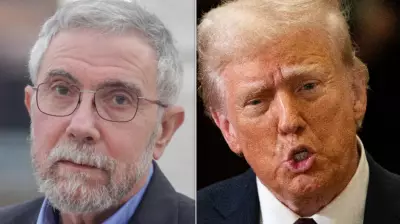
However, political observers note that Carney's recent activities suggest otherwise. His speech at the World Economic Forum in Davos appeared deliberately crafted to provoke former U.S. President Donald Trump, knowing such a reaction would resonate with Carney's political base in Canada. Following his return, Carney delivered another address rich with nationalist themes, which has reportedly received mixed reactions—drawing criticism in Quebec while appealing to Liberal supporters who take pride in standing up to Trump's rhetoric.
Trump Tensions and Trade Implications
The political landscape has been further complicated by renewed tensions with Donald Trump. Over the weekend, Trump threatened imposing 100% tariffs on Canadian goods, prompting the Liberal government to flood social media with videos promoting Carney's "buy Canadian" policies. This exchange has revived discussions about Trump's past comments regarding Canada potentially becoming the "51st state," creating a politically charged atmosphere that some analysts believe benefits the Liberals electorally.
With upcoming CUSMA negotiations on the horizon and ongoing trade disputes, these international conflicts provide Carney with opportunities to position himself as a defender of Canadian interests against foreign pressures.
Electoral Mathematics and Minority Government Dynamics
Carney's Liberals fell just three seats short of a majority government in last April's election. Since then, the government has attempted to persuade Conservative and New Democrat MPs to cross the floor, though they remain one seat shy of a majority. Several Liberal MPs are reportedly considering departure, following former deputy prime minister Chrystia Freeland's exit from politics.
A spring election scenario would allow the Liberals to capitalize on multiple favorable factors: renewed concerns about Trump's policies, ongoing trade battles, international endorsements from foreign leaders, and the tangible impact of GST benefit payments reaching voters' bank accounts. As Carney himself noted last May, "Canadians will hold us to account by their experience at the grocery store." By this measure, with food inflation persistently high, the enhanced benefit may serve as both economic relief and political strategy.

Critics argue that the grocery benefit represents a quiet admission of economic policy failures rather than a sustainable solution. Instead of addressing structural issues that have been extensively documented in parliamentary testimony, the government has opted for direct payments that conveniently align with electoral timing. As speculation about an early election continues to build, Canadians can expect food inflation to remain a pressing economic challenge regardless of political developments.