Carney's Iran Policy Reversal Aligns with Poilievre, Creating Liberal Rift
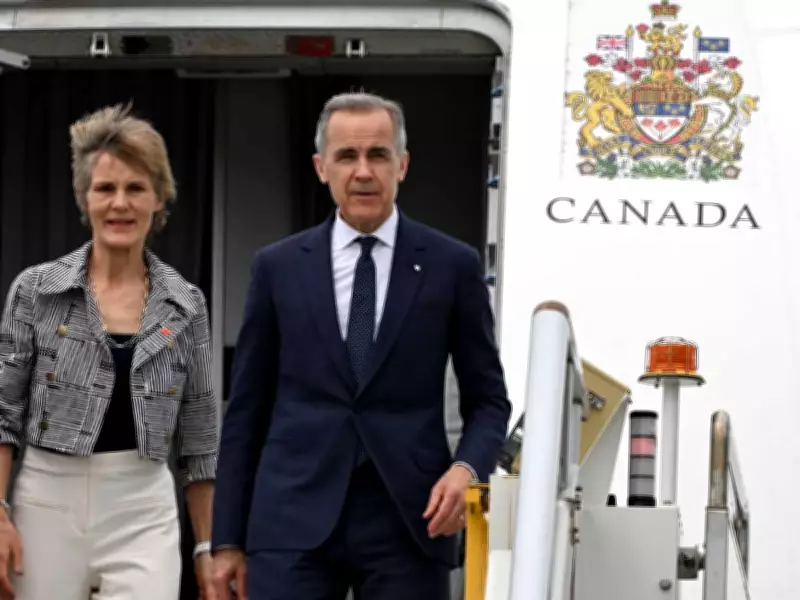
Prime Minister Mark Carney's Liberal government finds itself internally divided over his recent endorsement of joint U.S.-Israel military action against Iran, a position that remarkably echoes the longstanding views of Conservative Leader Pierre Poilievre. This policy shift represents a dramatic departure from the previous Liberal administration under Justin Trudeau, which had vehemently criticized Poilievre for similar statements regarding Iran's nuclear program.
From Criticism to Conversion: The Liberal Turnaround
In October 2024, when Conservative Leader Pierre Poilievre declared that Israel preemptively destroying Iran's nuclear facilities would constitute a "gift" to humanity, the Trudeau government launched sharp attacks against this position. Then-Foreign Affairs Minister Melanie Joly suggested such action would trigger broader regional conflict and accused Poilievre of undermining Middle East peace efforts.
Now, Prime Minister Carney has effectively converted the Liberal Party to Poilievre's perspective. Speaking at the outset of the recent U.S.-Israel military operation against Iran, Carney stated: "Canada supports the United States acting to prevent Iran from obtaining a nuclear weapon and to prevent its regime from further threatening international peace and security."

Shared Assessment of Iranian Threat
Carney and Poilievre now share substantial common ground in their assessment of Iran's global activities. Both leaders agree that Iran represents the world's foremost state sponsor of terrorism, providing funding, training, and support to multiple designated terrorist organizations including:
- Hamas
- Hezbollah
- Palestinian Islamic Jihad
- The Islamic Revolutionary Guard Corps (IRGC)
- The IRGC's Quds Force
They further concur that Iran has systematically violated human rights through the murder, torture, and imprisonment of tens of thousands of its own citizens protesting for basic freedoms and economic dignity. Additionally, both acknowledge Iran's responsibility for the deaths of at least 140 Canadian citizens, permanent residents, and individuals with close ties to Canada, along with repeated violations of international law.
Consistency Versus Conversion
The fundamental distinction between the two leaders lies in their respective consistency on Iran policy. Poilievre and the Conservative Party have maintained a steady position regarding the Iranian threat, while Carney has engineered a significant reversal of Liberal Party policy compared to the Trudeau era.
This policy shift has generated substantial pressure on Carney from within his own Liberal Party, with some elements urging him to backtrack from his current position. The situation presents a political dilemma for Poilievre and the Conservatives, who must decide whether to support Carney when he adheres to their shared perspective on Iran or criticize him if he wavers from this position.
The Liberal Party's dramatic policy reversal on Iran underscores a broader pattern of shifting principles, suggesting that those dissatisfied with current Liberal positions need only wait for subsequent policy changes. As the political landscape evolves, this Iran policy alignment between Carney and Poilievre represents one of the most significant foreign policy developments in recent Canadian politics.