Canadian Public Opinion Divided Over U.S.-Israeli Strikes on Iran
A recent Angus Reid poll has revealed significant division among Canadians regarding the joint U.S.-Israeli military operation targeting Iran's regime. The survey, conducted on March 2-3, 2026, shows that half of respondents oppose the air strikes, while only 34% express support for the military action.
The breakdown of opinion shows 26% strongly oppose the operation, with an additional 22% indicating general opposition. On the supportive side, 21% say they support the strikes, while 14% express strong support for the military intervention.
Political and Demographic Influences
The poll demonstrates clear political divisions in Canadian attitudes toward the conflict. Conservative Party supporters show the strongest backing, with 64% expressing support for the military operation. In contrast, only 17% of total support comes from Liberal Party voters, highlighting significant partisan differences in foreign policy perspectives.

Prime Minister Mark Carney, who initially voiced support for the strikes, has since expressed regret over his position. During a press conference in Australia, Carney stated that the military actions "appear to be inconsistent with international law" and noted that Canada was neither informed in advance nor asked to participate in the operation.
Regional Conflict Escalation
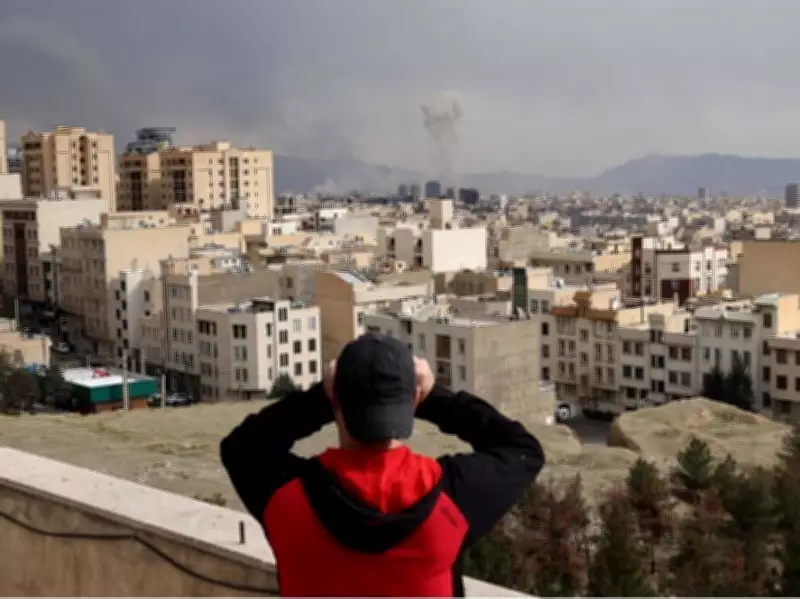
The military situation continues to intensify as Iran retaliates with drone and missile strikes against Israel and neighboring Arab states, including the United Arab Emirates, Qatar, and Saudi Arabia. Meanwhile, U.S. Secretary of War Pete Hegseth confirmed that an American submarine sank an Iranian warship—marking the first such incident since World War II.
Israeli defense systems have been heavily engaged, with 324 missile alerts sounding in a single day, bringing the weekly total to 11,353 alerts. This represents an average of 2,835 alerts per day since the conflict began.
Canadian Concerns About Global Security
Canadians remain skeptical about the operation's potential benefits. When asked if the strikes would improve global security, 46% of respondents believed the conflict would decrease worldwide safety, while only 27% thought it would make the world safer. Eighteen percent expected no significant impact, and 9% had no opinion.
Regarding regional security, 26% believed the war would make Israel safer, compared to 43% who thought it would decrease Israel's security. For the United States, only 17% expected increased safety, while 46% anticipated decreased security, and 28% predicted no meaningful change.
Impact on Iranian Citizens
The poll also examined Canadian perspectives on how the conflict might affect ordinary Iranians. Just 28% of respondents believed the strikes would improve daily life for Iranian citizens, while 34% expected conditions to worsen. Nineteen percent anticipated no long-term difference, and 18% were uncertain about potential outcomes.
Expected Duration of Conflict
Canadians have varying expectations about how long the military engagement might continue:
- Most respondents (plurality) believe the conflict will last one to six months
- 21% expect it to continue for one to five years
- 19% anticipate a six-month to one-year duration
- Only 9% think it will conclude in less than a month
- 5% predict a five to ten year conflict
- 4% expect hostilities to last over a decade
The Angus Reid poll surveyed 1,218 adult Canadians through the Angus Reid Forum. While margins of error cannot be applied to online panels, a comparable probability sample would yield a margin of error of ±3%, 19 times out of 20.