Canadian Military Issues Apology After Controversial Holocaust Remembrance Post
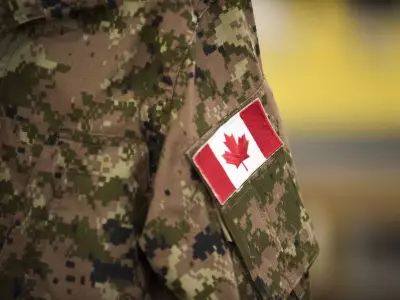
The Canadian Army has formally apologized following significant backlash over a social media post commemorating International Holocaust Remembrance Day that failed to explicitly mention Jewish victims. The military acknowledged that the post "did not clearly and explicitly identify Jews as the victims of the Holocaust" and expressed regret for the hurt caused by this omission.
Details of the Controversial Social Media Message
On January 27, International Holocaust Remembrance Day, the Canadian Army shared a message across its social media platforms addressing "victims that suffered and died at the hands of Fascism for being members of marginalized groups." The post emphasized the importance of building "a culture of inclusiveness and diversity" and working toward a society "free of antisemitism and hate."
Despite these intentions, the failure to specifically mention Jewish victims drew immediate criticism. The post has since been removed from all platforms, but not before being screenshotted and shared widely, including by University of Ottawa professor Jan Grabowski.

Academic and Advocacy Responses
Professor Jan Grabowski, who first brought attention to the post on Facebook, expressed his initial disbelief, stating: "At first, I was convinced that this must be a fake. Unfortunately, it's not." He emphasized that International Holocaust Remembrance Day specifically commemorates "Jews who died because they were Jews, and not because they were 'members of a marginalized group.'"
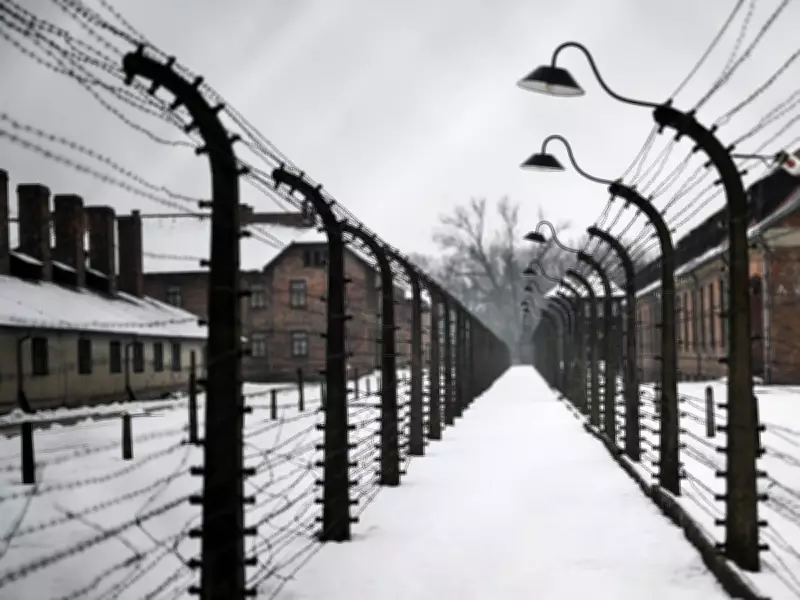
Grabowski further highlighted the definition of the Holocaust as the "systematic, state-sponsored persecution and murder of six million European Jews by the Nazi German regime and its allies and collaborators." He warned that "Holocaust distortion and its de-Judification is a form of Holocaust denial."
Jewish Organizations Demand Accountability
Pro-Israel watchdog group HonestReporting called for more than just the deletion of the posts, urging the military to issue a formal apology to Jewish Canadians. Dara Solomon, executive director of the Toronto Holocaust Museum, stated: "While it matters that governments and institutions mark International Holocaust Remembrance Day, it dishonours the memory of the six million Jews murdered in the Holocaust to omit the primary target of Nazi persecution on a day that commemorates their attempted eradication."
Solomon emphasized the particular importance of accurate Holocaust education at a time of rising antisemitism and declining public knowledge about the historical event, noting that "leaving out the word Jews is not neutral or benign, it risks re-victimization and distorting the historical record."
Broader Implications and Calls for Education
Simon Wolle, CEO of B'nai Brith Canada, acknowledged the military's apology but stressed that this incident "must serve as a learning experience for all Canadians." While recognizing the importance of honoring all victims of Nazi persecution, Wolle emphasized that remembering the Holocaust "requires specifically recognizing the over 6 million Jewish victims who perished during the Shoah"—using the Hebrew term for the genocide.
Wolle warned that failing to acknowledge "the magnitude of the atrocities committed against the Jewish people by the Nazi regime" represents an "affront to their legacy," particularly concerning given the "skyrocketing" rates of Holocaust denial across Canada. He called for Canada to commit to comprehensive Holocaust education "not only as history, but also as a warning" and "not only as a memory, but as a mandate."
The incident has sparked broader conversations about historical accuracy, the specific targeting of Jewish people during the Holocaust, and the importance of precise language in official commemorations. As Holocaust survivors age and firsthand accounts become increasingly rare, advocates stress that institutions must exercise particular care in how they memorialize this pivotal historical event.