In a significant maritime security operation, the United States military has boarded another oil tanker in the Indian Ocean, after meticulously tracking the vessel from the Caribbean region. This incident underscores ongoing efforts to monitor and secure global shipping lanes against potential threats.
Details of the Boarding Operation
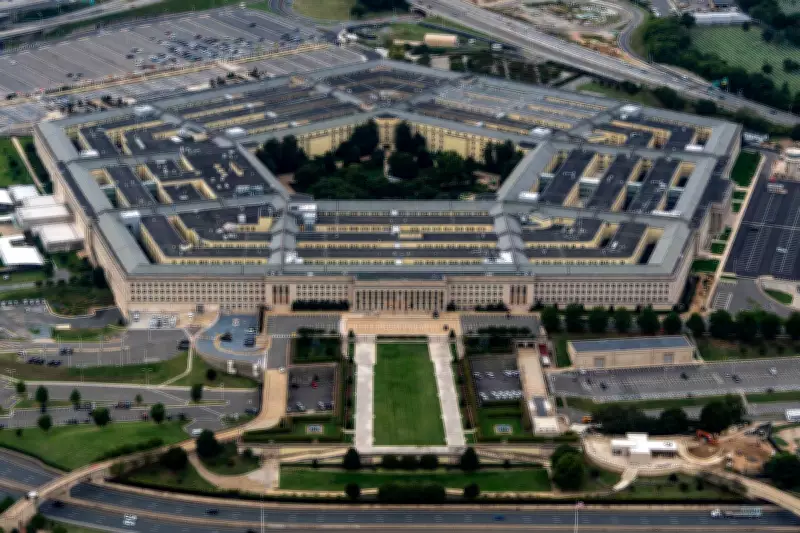
The boarding took place recently, with U.S. forces intercepting the tanker as part of a broader initiative to enhance surveillance and control over maritime activities. The Pentagon, headquartered in Arlington, Virginia, has not released extensive details, but sources indicate that the operation was conducted under international maritime laws aimed at preventing illicit activities such as smuggling or unauthorized transport.
Tracking from the Caribbean
Authorities revealed that the tanker was under observation since its departure from the Caribbean, a region often scrutinized for its strategic importance in global trade and security. The tracking involved advanced surveillance technologies, allowing military personnel to monitor the vessel's route across vast oceanic distances before the boarding in the Indian Ocean.

Context and Implications
This event highlights the U.S. military's proactive stance in safeguarding maritime interests, particularly in key areas like the Indian Ocean, which is a critical corridor for oil shipments and international commerce. Similar operations have been conducted in the past to address security concerns, reflecting a continuous commitment to global stability.
Experts note that such boardings are typically executed to verify compliance with regulations, inspect cargo, or investigate suspicious behavior. While no immediate threats were reported in this case, the action serves as a deterrent against potential adversaries seeking to exploit maritime routes for nefarious purposes.
Broader Security Efforts
The U.S. Department of Defense has been intensifying its maritime security protocols, collaborating with allied nations to ensure safe passage for commercial vessels. This boarding operation aligns with broader defense strategies that prioritize monitoring high-risk zones and responding swiftly to emerging challenges.
As global tensions persist, incidents like this emphasize the importance of robust naval capabilities and international cooperation in maintaining open and secure seas for economic and security benefits worldwide.