The Governor General of Canada serves as the federal representative of the Canadian monarch, currently King Charles III. This position, established at Confederation in 1867, has evolved significantly over time, adapting to the country's growing independence and constitutional changes.
Historical Origins
The role traces its roots to the colonial era when British-appointed governors oversaw the provinces. After Confederation, the Governor General became the sovereign's representative in Canada, initially appointed by the British monarch on the advice of the British government. The 1931 Statute of Westminster granted Canada greater autonomy, and since 1952, the Governor General has been appointed on the advice of the Canadian prime minister.
Constitutional Duties
The Governor General exercises several key constitutional functions: granting Royal Assent to bills passed by Parliament, summoning and dissolving Parliament, appointing the prime minister, and serving as Commander-in-Chief of the Canadian Armed Forces. While these powers are largely ceremonial today, they remain essential to the functioning of Canada's constitutional monarchy.

Recent Appointments
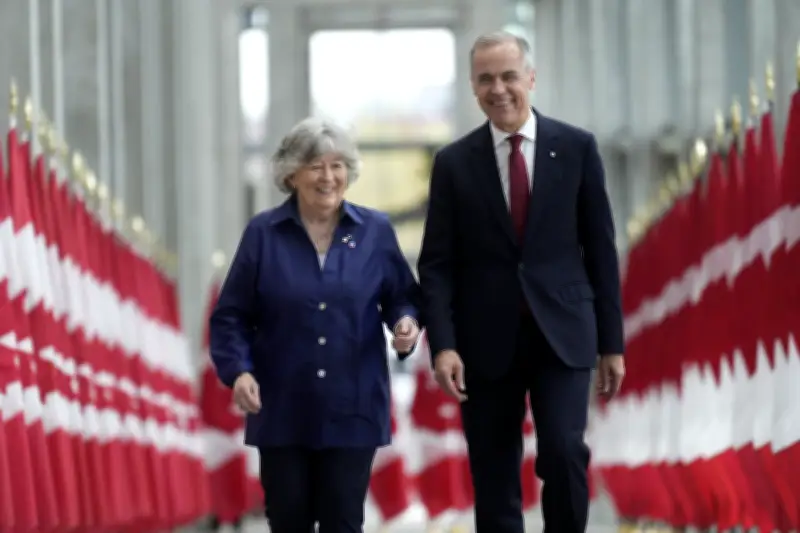
On May 5, 2026, Prime Minister Mark Carney announced the appointment of Louise Arbour as the next Governor General. Arbour, a former Supreme Court justice and United Nations High Commissioner for Human Rights, brings extensive legal and international experience to the role. The appointment reflects a tradition of selecting distinguished Canadians from various fields, including former politicians, diplomats, and military leaders.
Symbolic and Ceremonial Role
Beyond constitutional duties, the Governor General acts as a unifying figure, representing Canada at official events, hosting state visits, and promoting national unity and identity. They also present awards such as the Order of Canada and the Governor General's Performing Arts Awards.
Evolution of the Office
Over the decades, the office has become more accessible and representative of Canada's diversity. The appointment of the first woman, Jeanne Sauvé, in 1984, and the first Indigenous person, Mary Simon, in 2021, marked significant milestones. The role continues to adapt to contemporary expectations while maintaining its constitutional foundations.
In summary, the Governor General remains a vital part of Canada's parliamentary democracy, embodying the nation's history and its ongoing evolution as a sovereign state within the Commonwealth.