Fiscal analysts expect the federal deficit in Tuesday’s spring economic update to be less than initially projected, thanks to higher revenues and revised GDP figures. However, they caution the government to maintain fiscal prudence amid looming risks.
Better-than-Expected Deficit Numbers
Kevin Page, president and CEO of the Institute of Fiscal Studies and Democracy at the University of Ottawa, said he anticipates better numbers than those in the November 2025 Budget. He noted that the deficit for 2025-2026 would be lower than projected and likely lower this year, though uncertainty remains for 2026-2027 due to various factors.
Revenue Boosts and Revised GDP
Budget 2025 projected a shortfall of $78.3 billion for 2025-2026, one of the largest deficits outside the pandemic, declining to $65.4 billion for the current fiscal year. However, Statistics Canada released upward revisions to nominal GDP after the budget, showing 2.2% higher growth than fall projections. Increased oil revenues from the Iran conflict, which began in late February, are also expected to improve the fiscal picture.

The government’s fiscal monitor showed Ottawa ran a deficit of $25.5 billion between April 2025 and February 2026, well under forecast with one month remaining in the fiscal year.
Prime Minister's Remarks
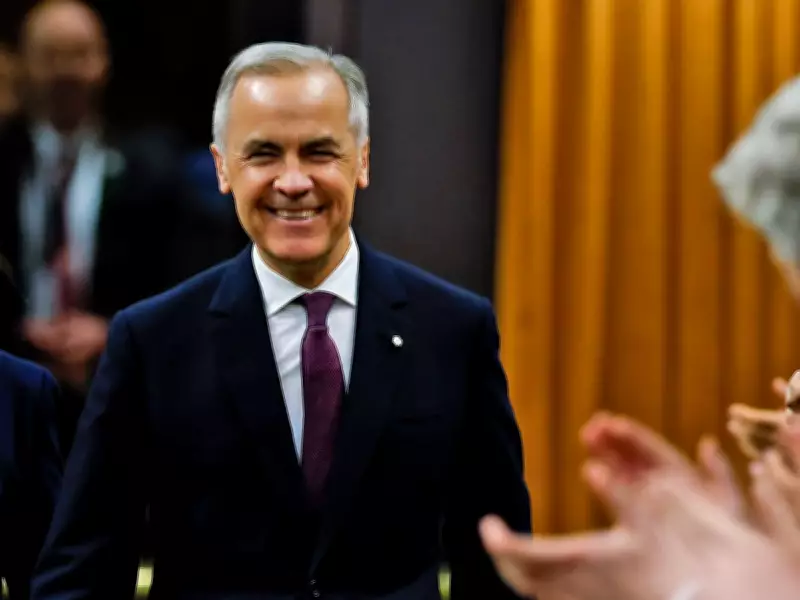
During a press conference on Monday, Prime Minister Mark Carney said Canadians should expect “good news” in Tuesday’s update regarding deficit targets and spending performance. When asked about the better-than-expected deficit, Carney attributed it to his government being “good fiscal managers.”
Spending Pressures and Risks
Economists point to several spending pressures that will reduce fiscal room, including the Canada Groceries and Essentials Benefit ($12.4 billion over five years), the gas tax holiday ($2.4 billion), and defence spending. Desjardins economists Randall Bartlett and LJ Valencia warned that risks loom, and the government should keep some fiscal powder dry.
Page expressed doubt about the government hitting its fiscal anchor target of balancing the operating budget in three years. The fall budget included a promise to cut $60 billion in operational spending over five years, with departmental plans to reduce full-time employees in the federal public workforce. Page emphasized the need for guardrails and reserves around these targets to achieve an operating budgetary balance.