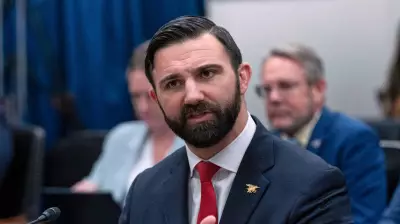
In a significant shift, Canada's fiscal watchdog has reversed his earlier dire assessment of the nation's finances after reviewing the federal government's 2025 budget. Interim Parliamentary Budget Officer (PBO) Jason Jacques testified that the new fiscal plan has changed his outlook from one of deep concern to a conclusion of long-term sustainability.
From 'Cliff' to Stability: A Pivot in Perspective
Testifying before the Senate finance committee on Tuesday, December 2, 2025, Jacques was questioned by Senator Krista Ross about his stark comments from September. At that time, he had stated Canada was "looking out over a cliff" regarding the sustainability of federal finances.
However, in his report on Budget 2025—the first budget delivered by Prime Minister Mark Carney's government on November 4, 2025—Jacques's tone changed markedly. The report concluded that "based on Finance Canada projections, current fiscal policy in Budget 2025 would be deemed sustainable over the long term."

What Changed the Fiscal Picture?
Jacques explained to senators that his alarming September assessment was based on the data available at the time. Key concerns included:
- A medium-term forecast showing a rising debt-to-GDP ratio over the next five years.
- Approximately $100 million in annual spending that was not yet clarified in government plans.
- Roughly $20 billion in election commitments made by the governing Liberals.
- The government's pledge to meet NATO's defence spending target of 5% of GDP, a commitment with few public details.
"At that point, looking at the government’s definition of sustainability, looking at the numbers in terms of the net spending that we couldn’t include, it definitely raised concerns regarding sustainability," Jacques stated.
The Impact of Budget 2025's Long-Term Forecast
The pivotal change, according to the PBO, was the inclusion of longer-term projections spanning 30 years in the federal budget. While the debt-to-GDP ratio is still projected to increase in the medium term (the next five years), the 30-year forecast shows it stabilizing.
"Over the medium-term, over the next five years, the debt-to-GDP ratio is in fact going up," Jacques acknowledged. "That said, the government has produced longer-term forecasts over the next 30 years, which indicates that the debt-to-GDP ratio is pretty much stable."
This extended timeline, a key component of Budget 2025's fiscal framework, provided the evidence needed to reassess the path forward. The PBO's role is to analyze the government's own numbers and definitions of sustainability, and this new data formed the basis for the revised, more optimistic conclusion.
Context and Ongoing Scrutiny
The reversal highlights the fluid nature of fiscal forecasting and the significant impact of new government policy documents. The PBO's initial warning in September served as a stark pre-budget reminder of fiscal pressures, including an aging population and significant spending promises.
While the current analysis suggests sustainability based on the government's projections, the PBO's work inherently involves monitoring whether those projections materialize. Key variables, such as economic growth, interest rates, and the detailed costing of major commitments like the NATO spending pledge, will require ongoing scrutiny.
The testimony underscores the critical role of independent parliamentary officers in holding the government to account and providing transparent analysis to legislators and the Canadian public on the state of the nation's finances.