Body Cameras Coming to Police on Manitoulin Island
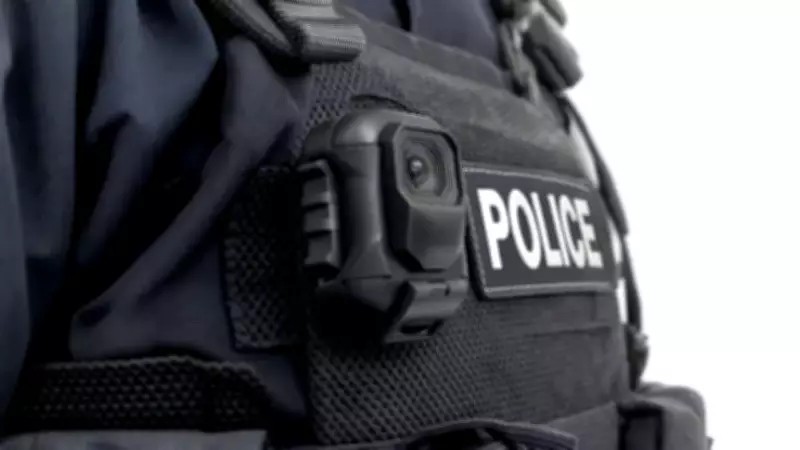
Wikwemikong Tribal Police have launched a body-worn camera pilot project on Manitoulin Island, marking a significant step toward increased transparency and accountability in policing. The program includes specific rules that allow officers to turn off cameras during sacred ceremonies, respecting Indigenous cultural practices.
The pilot program is being closely watched by other police services in the region, as it could serve as a model for broader adoption of body cameras in Indigenous communities. Officials say the cameras will help document interactions between police and the public, providing valuable evidence and fostering trust.
Rules and Implementation
Under the pilot, officers will wear cameras while on duty, but they are permitted to deactivate them during certain sensitive situations, such as sacred ceremonies, to protect privacy and cultural traditions. The footage will be stored securely and reviewed in accordance with established protocols.

The initiative has been welcomed by community leaders, who see it as a positive move toward modernizing policing while respecting Indigenous values. Training for officers on the proper use of the cameras has already been completed.
Broader Context
Body-worn cameras have become increasingly common in police forces across Canada, with studies showing they can reduce complaints and improve behavior on both sides of encounters. The Wikwemikong pilot will be evaluated over the coming months to determine its effectiveness and potential expansion.
This development comes amid ongoing discussions about policing in Indigenous communities, where historical tensions have led to calls for reform. The pilot is seen as a step forward in building better relationships between police and the people they serve.