VICTORIA — Premier David Eby faced tough questions this week for abandoning his proposed changes to the Declaration on the Rights of Indigenous Peoples Act after strong opposition from First Nations. The debate centered on whether the legislation effectively establishes co-government between the province and Indigenous communities.
Conservative Opposition Presses Premier
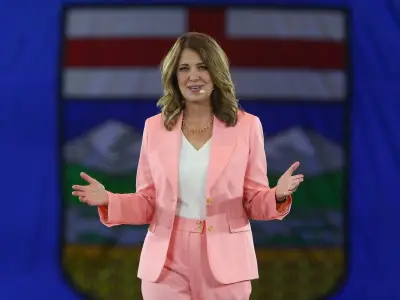
Opposition Leader Trevor Halford directly asked Eby if the New Democrats are now co-governing the province with First Nations leadership. Eby initially accused the Conservatives of deliberately twisting the issue to spread fear. However, Halford pointed out that he was simply quoting Terry Teegee, the B.C. regional chief of the Assembly of First Nations.
Teegee's Clear Statement on Co-Governance
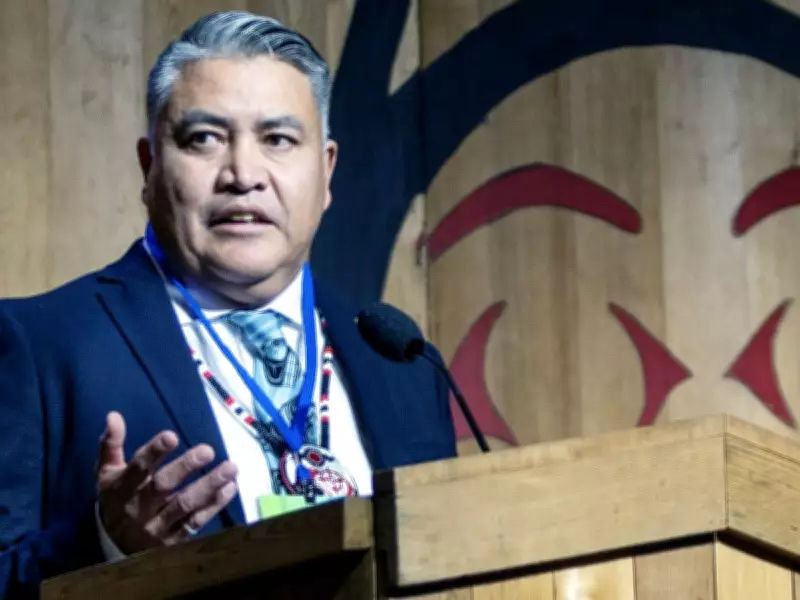
During a radio interview, Teegee was asked point blank if roughly 200 First Nations are now co-governing the province with the B.C. government. He replied, “Yes, that’s exactly right,” explaining that co-governance is the essence of DRIPA. He added, “Ultimately we have to get into a room — and First Nations have to get in the room — and to the negotiations table to make decisions on these important matters. Really, it is putting the spotlight on how development occurs.”

Halford pressed Eby on whether he agreed with Teegee’s claim. Eby attempted a second deflection, stating, “This parliament remains supreme. But we are bounded by a Constitution that obliges us to do important work with First Nations.” When Halford demanded a yes-or-no answer, Eby refused to directly acknowledge co-governance, instead putting the onus back on the opposition.
Premier's Evasive Response
Eby argued, “We’ve got parliamentary representatives that are elected from every part of the province. We have to vote on laws. The sort of Conservative conversation that, at the end of the day, the parliament no longer matters — that it is some sort of different arrangement now — is simply not the case.” Despite Eby’s ducking, it remains an open question whether the premier or the regional chief is the more reliable source on co-governance.
Teegee's Role in DRIPA
Teegee was a central figure in the adoption of DRIPA under Premier John Horgan. In a posthumous memoir published last year, Horgan named Teegee as one of the Indigenous leaders who persuaded him to endorse the UN Declaration on the Rights of Indigenous Peoples. Horgan indicated that Teegee was among those who oversaw the drafting of DRIPA itself and cited him as an authority on whether the UNDRIP guarantee of “free, prior and informed consent” would amount to a veto.