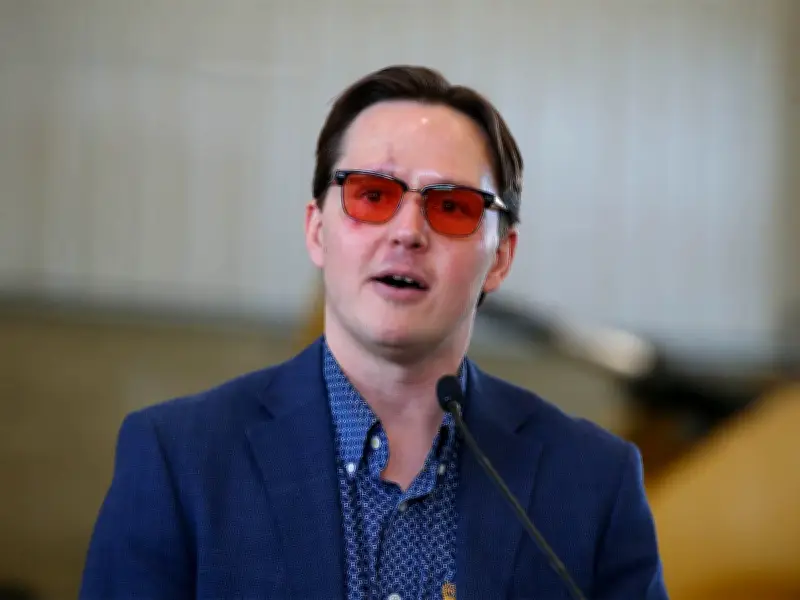
Alberta Transportation Minister Devin Dreeshen has made it clear that the United Conservative Party government will not bow to pressure to expand photo radar enforcement, despite mounting calls from Calgary police and city officials. “We’re sticking to our guns on photo radar,” Dreeshen said in an interview at Red’s Diner in Calgary.
Restricted Zones Remain
Under current provincial rules, photo radar is only permitted in school zones, playground zones, and construction zones. Local governments seeking exceptions must provide evidence that photo radar is necessary and that no traffic alignment or engineering solution can make an intersection physically safer. The bar is high: Calgary has secured only three exemptions so far—on Highway 1A at Twelve Mile Coulee Road N.W., 16th Avenue and 10th Street N.W., and 16th Avenue and 68th Street N.E. Notably, ring roads in Edmonton and Calgary, as well as Deerfoot Trail, remain off-limits.
Dreeshen, Premier Danielle Smith’s point man on transportation, has faced pressure from municipalities that relied on photo radar revenue. Calgary Police Chief Katie McLellan described driving in the city as “atrocious” and called for more photo radar. Calgary Mayor Jeromy Farkas argued that the restrictions constitute the biggest defunding of police yet. However, Dreeshen remains unmoved.

A History of Overuse
Alberta once had by far the highest use of photo radar in Canada. Previous transportation ministers under both the Rachel Notley NDP and Jason Kenney UCP governments talked tough but ultimately backed down when local politicians complained about budget holes left by reduced photo radar revenue. Dreeshen took a different approach, pulling back on photo radar enforcement despite the outcry. “The cash cow is not coming back to life,” he said. “The fishing holes will not come back to catch the unsuspecting fish.”
The province has already denied some exemption requests, and others remain under review. Dreeshen emphasized that safety, not revenue, must drive any photo radar use. “If they want to have photo radar outside of those three zones, they must provide evidence showing it is necessary and there is no traffic alignment or engineering that could make an intersection physically safer,” he said.
Political Pressure and Backbone
Some UCP members of the legislature have faced local backlash over the restrictions, but Dreeshen shows no signs of wavering. “There are so many fights these days,” he said. “Will I blink? Will I cave? No.” The minister’s resolve contrasts with predecessors who “folded like a cheap tent” when confronted by city officials. Dreeshen’s stance has drawn praise from those who view photo radar as a revenue tool rather than a safety measure, but critics argue it hampers police efforts to curb dangerous driving.
As the debate continues, Dreeshen’s message is clear: the province will not ease restrictions without compelling evidence. For now, Calgary’s three exemptions stand as the only exceptions to the rule.