Aid Groups Petition Israeli Court to Overturn Gaza Work Ban
Humanitarian aid organizations have taken legal action against the Israeli government, filing a petition with the country's Supreme Court to reverse a ban on their operations in the Gaza Strip. The ban was imposed after the groups failed to comply with newly implemented regulatory rules, raising concerns about the continuity of essential aid delivery to Palestinian civilians affected by the ongoing Israel-Hamas conflict.
Background of the Regulatory Dispute
The Israeli authorities introduced a set of stringent new regulations earlier this year, mandating that all aid groups operating in Gaza must adhere to specific reporting and operational protocols. These rules were designed to enhance transparency and security oversight in the delivery of humanitarian assistance. However, several major international and local aid organizations have struggled to meet the compliance deadlines, citing logistical challenges and the complex security environment in the war-torn region.
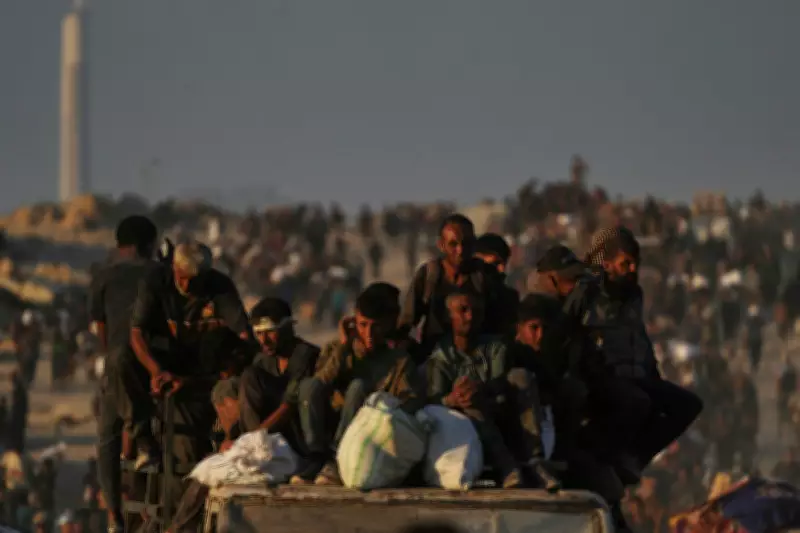
As a result, the Israeli government issued a directive banning these non-compliant groups from continuing their work in Gaza. This decision has sparked immediate backlash from the humanitarian community, which argues that the ban could severely disrupt the flow of food, medical supplies, and other critical aid to Gaza's population, already grappling with severe shortages and infrastructure damage from the prolonged conflict.

Legal Arguments and Humanitarian Concerns
In their petition to the Supreme Court, the aid groups contend that the ban is disproportionate and violates international humanitarian law, which obligates parties to a conflict to facilitate the delivery of aid to civilians. They emphasize that their operations are vital for preventing a further deterioration of the humanitarian crisis in Gaza, where millions rely on external assistance for survival.
The petitioners have requested an urgent hearing, warning that any delay in resuming their activities could lead to increased malnutrition, disease outbreaks, and loss of life. They also argue that the new regulations, while well-intentioned, are impractical under current wartime conditions and should be revised to allow for more flexible compliance measures.
Government Stance and Broader Implications
The Israeli government has defended the ban, stating that the new rules are necessary to prevent aid from being diverted to Hamas or other militant groups, which could potentially fuel further violence. Officials have expressed willingness to work with organizations that demonstrate full compliance, but insist that security considerations must take precedence.
This legal battle highlights the ongoing tensions between humanitarian imperatives and security protocols in conflict zones. The outcome of the court case could set a significant precedent for how aid operations are regulated in Gaza and other areas under Israeli control, influencing future policies and international aid efforts in the region.
As the Supreme Court prepares to review the petition, stakeholders from both sides are closely monitoring the proceedings. The decision will not only affect the immediate aid landscape in Gaza but also shape the broader dynamics of the Israel-Hamas war, where humanitarian access remains a critical and contentious issue.