U.S. Supreme Court Takes Up Oil Industry Challenge to Climate Litigation
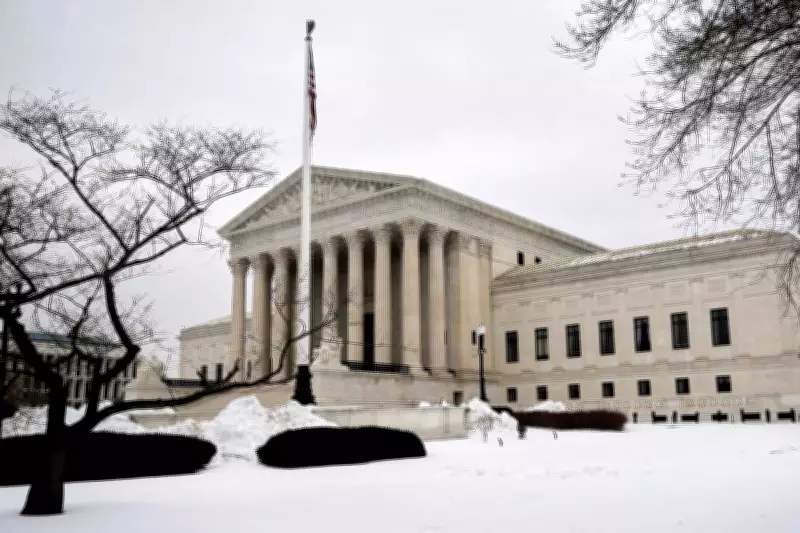
The United States Supreme Court has agreed to hear arguments from major oil and gas corporations seeking to block a wave of climate change lawsuits filed against them. This decision, announced in February 2026, sets the stage for a landmark legal confrontation that could redefine corporate accountability for environmental damage.
A Pivotal Legal Battle Over Environmental Accountability
The case centers on efforts by fossil fuel companies to obtain immunity from litigation brought by states, municipalities, and other entities. These lawsuits allege that the industry knowingly contributed to climate change through its operations and marketing, leading to significant public costs for adaptation and mitigation. The Supreme Court's involvement signals the high stakes of this issue, with potential ramifications for environmental law and corporate governance nationwide.
The court's decision to grant certiorari follows years of escalating legal battles across the country. Plaintiffs argue that companies should be held liable for misleading the public about climate risks and for their substantial role in greenhouse gas emissions. In response, the oil and gas sector contends that such matters are better addressed through legislative and regulatory channels, not the judiciary.

Broader Implications for Climate Policy and Industry
Legal experts note that this case could establish a critical precedent. A ruling in favor of the companies might shield them from similar lawsuits, potentially limiting avenues for climate-related claims. Conversely, a decision against them could open the door to increased litigation and financial liabilities, compelling the industry to adopt more aggressive environmental measures.
This Supreme Court review comes amid growing public and political pressure for action on climate change. The outcome may influence not only future lawsuits but also corporate strategies and investment in renewable energy. Observers are closely watching how the court balances state tort law with federal environmental regulations.
The hearing is expected to draw significant attention from environmental advocates, business groups, and policymakers. As the legal proceedings unfold, the case underscores the complex interplay between economic interests, legal frameworks, and the urgent global challenge of climate change.