

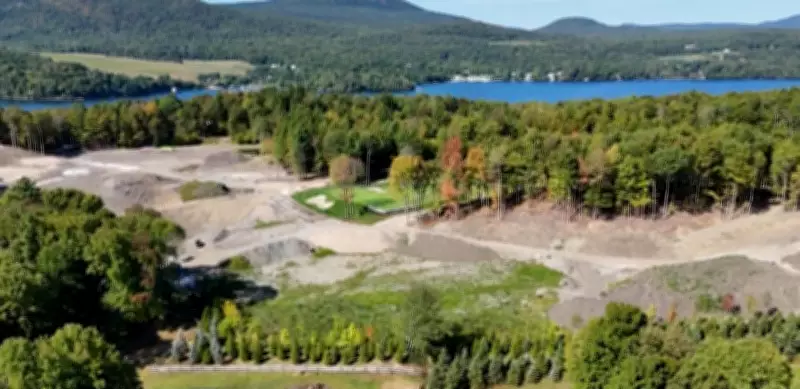
The Quebec government has issued a stern warning to the owners of an unauthorized golf course development in the Eastern Townships, indicating that they may be compelled to restore damaged wetlands as part of a crackdown on illegal environmental alterations. This move underscores the province's commitment to enforcing environmental regulations and protecting sensitive ecosystems from unauthorized commercial projects.
Environmental Violations and Potential Consequences
According to recent reports, the golf course project, which was initiated without proper permits, has resulted in significant damage to local wetlands. Wetlands are crucial for biodiversity, water filtration, and flood control, making their preservation a priority for environmental authorities. The Quebec government has emphasized that the owners could face a formal restoration order, requiring them to rehabilitate the affected areas to their natural state.
Legal and Regulatory Framework
This situation highlights the broader legal framework governing land use and environmental protection in Quebec. Provincial laws mandate that any development impacting wetlands must undergo rigorous assessment and obtain necessary approvals. Failure to comply can lead to severe penalties, including fines and mandatory restoration efforts. The case serves as a reminder to developers about the importance of adhering to environmental regulations to avoid legal repercussions.

Broader Implications for Development Projects
The threat of a restoration order in the Eastern Townships could set a precedent for how Quebec handles similar violations in the future. It signals a tougher stance on unauthorized developments that harm natural habitats, potentially deterring other projects from bypassing regulatory processes. Environmental groups have praised the government's actions, arguing that such measures are essential for sustainable development and conservation efforts.
As the situation unfolds, stakeholders will be closely monitoring the government's next steps and the owners' response. This case not only addresses immediate environmental concerns but also reinforces the need for transparency and compliance in all development activities across the province.






