Iran announced on Tuesday that it will not allow United Nations inspectors to examine nuclear facilities that were bombed by the United States and Israel during the 12-day war in mid-2025. The denial directly contradicts claims made by U.S. Vice President JD Vance that Iran had agreed to invite International Atomic Energy Agency (IAEA) inspectors back into the country.
Iran Rejects IAEA Access to Damaged Sites
Foreign ministry spokesman Esmaeil Baqaei told reporters, “We have not had a meeting with the director general of the IAEA, nor do we have any plans for the agency to inspect Iran’s nuclear facilities damaged by the US and Zionist military aggression.” Iran’s UN ambassador Ali Bahreini similarly stated that “there hasn’t been such a decision” to permit IAEA inspections.
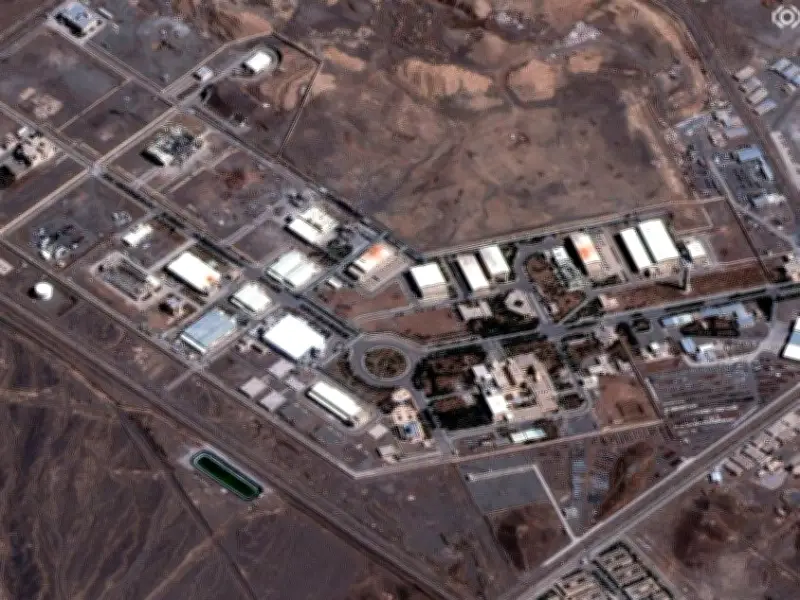
The bombed sites include the Fordow, Natanz, and Isfahan nuclear facilities, which were struck by powerful bunker-busting bombs dropped from U.S. B-2 stealth bombers in June 2025. The strikes occurred after the United States joined Israel’s war with Iran.

Trump Demands Major Weapons Inspections
U.S. President Donald Trump weighed in on the standoff via a post on Truth Social, asserting that Iran will have to “agree to have Major Weapons Inspections” for an extended period. “Everybody is fully aware that Iran will agree to have Major Weapons Inspections in order to ensure ‘Nuclear Honesty’ long into the future,” Trump wrote. The inspections were originally part of a deal signed under the Obama administration, which Trump canceled during his first term, leading Iran to block international inspectors.
Rubio Visits Gulf States to Sell Peace Deal
U.S. Secretary of State Marco Rubio is scheduled to arrive in the Gulf region on Tuesday, visiting the United Arab Emirates, Bahrain, and Kuwait. His mission is to promote the U.S.-Iran peace deal to countries that were hardest hit by Iran during the Middle East conflict. While these nations have welcomed an end to the hostilities, Rubio may face challenges convincing them of the deal’s benefits, according to CNN.
The memorandum of understanding places Iran and Oman in charge of overseeing commercial traffic through the Strait of Hormuz. However, the agreement does not address Iran’s missile program, which Gulf countries view as a greater threat than Iran’s nuclear activities. The deal also requires financial buy-in from affected nations for a $300 billion reconstruction fund that Iran insists on receiving. Trump has committed Gulf funding to the fund, but there is no indication that the countries have agreed.
Israeli Strike Kills Two in Southern Lebanon
Meanwhile, ongoing hostilities between Israel and Hezbollah continue. The Israeli military confirmed a strike in southern Lebanon that killed two people and wounded two others in the town of Nabatieh al-Fawqa. The military stated that it “struck armed terrorists” who posed a threat to its soldiers in the Ali al-Taher area. The Israeli military said it would “continue to operate to remove immediate threats.”