

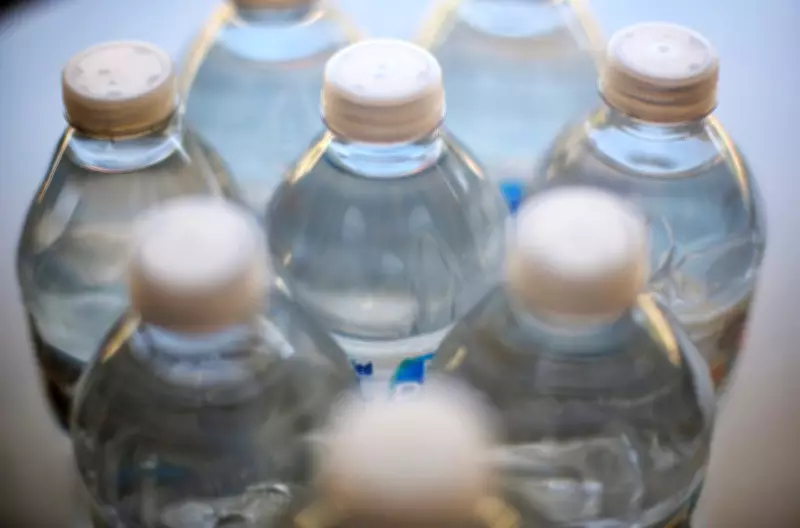
EU Nations Endorse Chemical Recycling for Plastic Bottles to Tackle Waste
In a significant move to address the global plastic pollution crisis, European Union nations have formally endorsed the use of chemical recycling technologies for plastic bottles. This policy shift, announced in February 2026, represents a strategic effort to enhance recycling rates and support the transition toward a more sustainable circular economy.
Advancing Beyond Traditional Methods
Chemical recycling, also known as advanced recycling, involves breaking down plastic waste into its molecular components to create new plastics or other materials. Unlike mechanical recycling, which can degrade plastic quality over time, chemical processes aim to produce virgin-quality materials, potentially increasing the usability of recycled plastics in food-grade applications like water bottles.
This endorsement comes as EU countries grapple with mounting plastic waste, with millions of tonnes ending up in landfills or the environment annually. By backing chemical recycling, policymakers hope to complement existing recycling infrastructure and meet ambitious targets under the EU's Circular Economy Action Plan.

Environmental and Economic Implications
The decision is expected to have broad implications for both environmental sustainability and industrial innovation. Proponents argue that chemical recycling could:
- Reduce reliance on fossil fuels for new plastic production.
- Lower greenhouse gas emissions compared to traditional manufacturing.
- Create new economic opportunities in the green technology sector.
However, the move is not without controversy. Some environmental groups have raised concerns about the energy intensity of chemical recycling processes and potential toxic byproducts. Critics urge that such technologies should not detract from efforts to reduce plastic consumption overall.
Aligning with Global Trends
This EU initiative aligns with growing international interest in advanced recycling solutions. Countries worldwide are exploring similar technologies to manage plastic waste more effectively, particularly for hard-to-recycle items like multi-layered packaging.
The endorsement signals a recognition that traditional recycling alone may be insufficient to tackle the plastic crisis, necessitating innovative approaches. As implementation details are developed, stakeholders will closely monitor the environmental and economic impacts of scaling up chemical recycling across Europe.
This policy development underscores the EU's commitment to leading in environmental innovation while addressing practical challenges in waste management. The success of chemical recycling for plastic bottles could set a precedent for broader applications in the plastics industry.






