British Columbia Shellfish Harvesters Face Substantial Fines for Illegal Operations
Fisheries and Oceans Canada (DFO) has imposed fines exceeding $10,000 on shellfish harvesters in British Columbia for illegal harvesting and obstruction of fisheries officers. The enforcement action highlights ongoing efforts to protect marine resources and enforce seasonal harvesting restrictions in the region.
Details of the Illegal Harvest
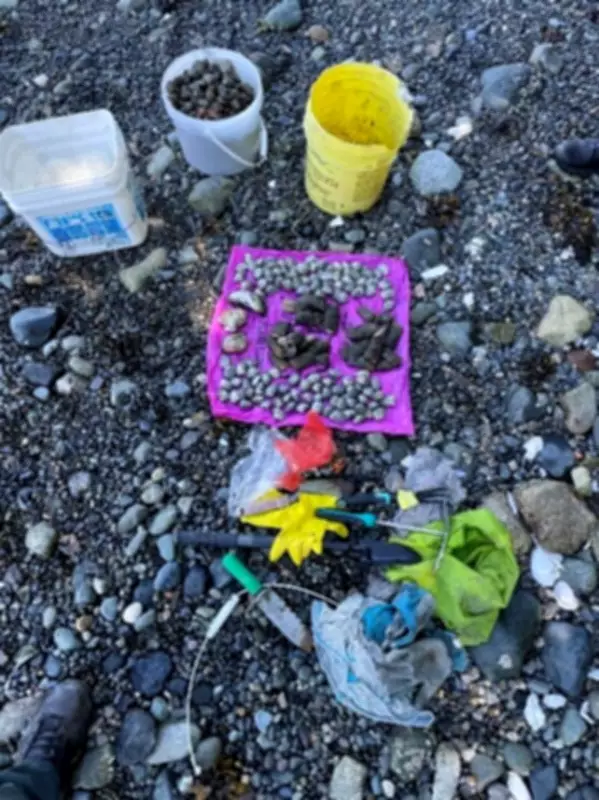
During a recent enforcement operation, DFO officers seized more than 500 Manila and littleneck clams, along with approximately 20 horse clams and other species that were not legally open for harvesting at the time. The seized shellfish represent a significant violation of fisheries regulations designed to maintain sustainable populations and protect vulnerable species during critical periods of their life cycles.
The illegal harvest occurred despite clear regulations and seasonal closures that are publicly available to all commercial and recreational harvesters. Fisheries officers discovered the violations during routine monitoring and compliance checks along British Columbia's coastline, where shellfish harvesting represents both an economic activity and cultural tradition for many communities.

Obstruction Charges Compound Violations
In addition to the illegal harvesting charges, the individuals involved faced additional penalties for obstructing fisheries officers during their investigation. Obstruction of fisheries officers represents a serious offense under Canadian law, as it impedes the government's ability to monitor and protect marine resources effectively.
The combined fines totaling more than $10,000 reflect the severity of both the illegal harvesting and the obstruction. Such penalties serve as a deterrent to others who might consider violating fisheries regulations or interfering with enforcement activities.
Broader Context of Fisheries Enforcement
This enforcement action occurs within a broader context of increased monitoring and regulation of British Columbia's marine resources. The DFO has emphasized several key points regarding shellfish harvesting:
- Seasonal closures are implemented based on scientific assessments of shellfish populations
- Size and quantity limits exist to ensure sustainable harvesting practices
- Regular monitoring and enforcement help protect both commercial fisheries and ecosystem health
- Public education about regulations remains a priority for compliance
Shellfish harvesting in British Columbia supports numerous coastal communities and represents an important economic activity, making sustainable management practices essential for long-term viability. The DFO's enforcement actions aim to balance economic interests with environmental protection and resource conservation.
Environmental and Economic Implications
Illegal harvesting of shellfish can have significant consequences beyond the immediate violation. Unsustainable harvesting practices threaten:
- The long-term health of shellfish populations
- The economic stability of legitimate harvesters who follow regulations
- Ecosystem balance in coastal marine environments
- Food safety for consumers of shellfish products
The fines imposed in this case demonstrate the government's commitment to enforcing regulations that protect both the environment and the legitimate shellfish industry. As climate change and other environmental pressures affect marine ecosystems, such enforcement becomes increasingly important for maintaining sustainable fisheries.
Fisheries and Oceans Canada continues to encourage all harvesters to familiarize themselves with current regulations, seasonal closures, and permitted harvesting methods before engaging in shellfish collection activities along British Columbia's coastline.