UCP's Rural Voter Affirmative Action Plan Sparks Electoral Controversy
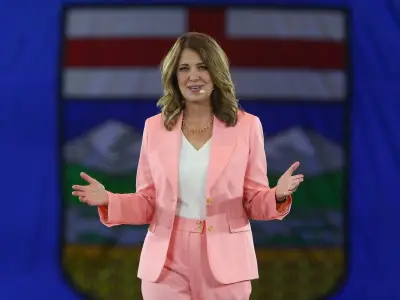
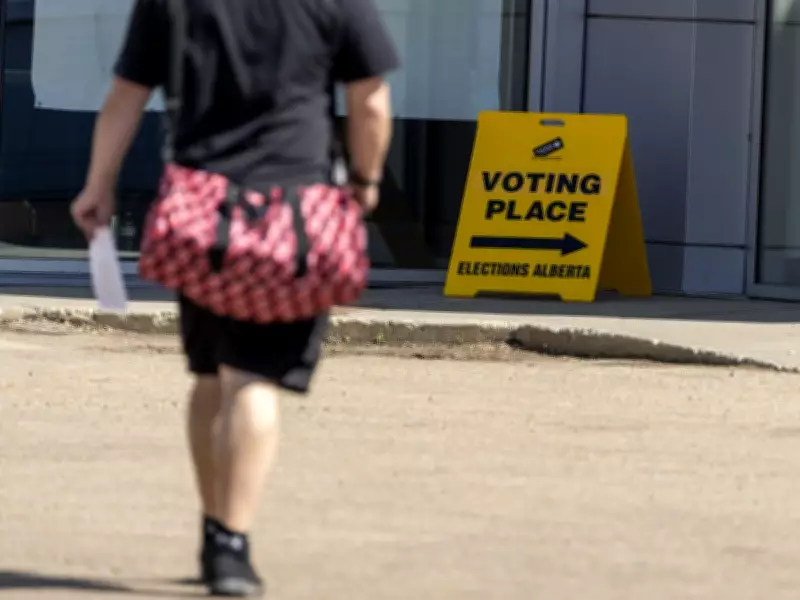
The United Conservative Party government in Alberta is facing intense scrutiny over a proposal that would effectively grant rural voters up to twice the electoral weight of their urban counterparts. This controversial plan, described by critics as "affirmative action for rural voters," has ignited a fierce debate about democratic representation and electoral fairness in the province.
Changing the Rules for Political Advantage
Observers note this represents another instance of the Danielle Smith-led Conservatives altering electoral parameters when outcomes don't align with their political interests. The government had previously approved an 89-seat electoral map consistent with longstanding norms and their own legislation. However, the elimination of two rural seats in that plan proved problematic for a party that has struggled to gain traction in Alberta's major urban centers.
"Instead of accepting demographic realities, the government has chosen to dilute the voting power of the majority of Albertans who reside in cities," noted one political analyst. "This amounts to putting their fingers on the electoral scale to ensure better outcomes for a specific constituency."

Urban Residents Express Frustration
The controversy extends beyond electoral maps to municipal governance concerns. Edmonton resident Nicholas Kennett highlighted what many urban dwellers perceive as systemic imbalances in local decision-making processes. "Developers consistently receive preferential access to council meetings, while citizens must wait for limited public hearing opportunities," Kennett observed.
Nita Jalkanen, another Edmonton homeowner, echoed these concerns about municipal responsiveness. "Council consistently ignores homeowner pleas while creating avenues for special interests to influence proceedings," Jalkanen stated, questioning when residents might finally say "enough is enough" to perceived governance imbalances.
Infrastructure Neglect Compounds Citizen Frustration
Beyond electoral and governance issues, basic municipal services have become a flashpoint for urban discontent. Taras Pyzyk detailed persistent pothole problems along 175 Avenue between 99 Street and 98 Street, exacerbated by nearby construction activity. "These hazards damage vehicles and expand with each freeze-thaw cycle, yet the city's standard response time extends to 94 days," Pyzyk noted.
The infrastructure concerns highlight what many residents perceive as misplaced municipal priorities. "The city should address basic necessities before luxury projects," Pyzyk emphasized, calling for improved responsiveness to fundamental urban maintenance needs.
Broader Implications for Democratic Representation
The rural voter weighting proposal raises fundamental questions about democratic principles in Alberta. Critics argue that granting disproportionate electoral influence based on geography undermines the foundational principle of "one person, one vote" that underpins modern democracies.
As the debate continues, the UCP government faces mounting pressure to justify a plan that would systematically reduce urban voting power while enhancing rural influence. The controversy touches on deeper tensions between Alberta's urban centers and rural regions, with electoral fairness serving as the latest battleground in this ongoing provincial dynamic.