Portugal's Pivotal Presidential Runoff: A Nation at a Crossroads
Portugal is poised for a decisive moment in its democratic history as voters head to the polls for a presidential election runoff. The contest presents a stark choice between competing political visions that could significantly influence the country's direction for years to come. This second-round vote follows an initial election where no candidate secured an outright majority, setting the stage for this critical showdown.
The Contenders: Moderate Governance Versus Populist Appeal
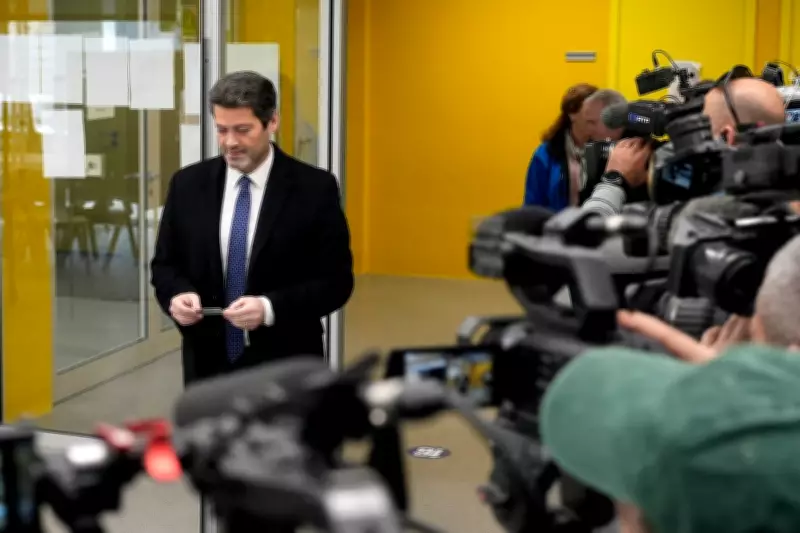
On one side stands a moderate candidate representing traditional political stability and incremental reform. On the other is Andre Ventura, the charismatic leader of the populist Chega party, whose campaign has energized a substantial segment of the Portuguese electorate. Ventura's platform emphasizes nationalist themes, anti-establishment rhetoric, and promises of sweeping change to address economic concerns and immigration policies.
The election occurs against a backdrop of broader European political shifts, where populist movements have gained traction in several nations. Portugal has historically been an exception to this trend, making this runoff particularly significant for observers of European politics. The outcome will test whether the country maintains its moderate political tradition or joins neighbors in embracing more radical alternatives.

Historical Context and Electoral Dynamics
Portugal's presidential elections typically attract high voter turnout, reflecting the position's symbolic importance as head of state. While the role is largely ceremonial, the president holds powers including the ability to dissolve parliament and veto legislation, giving the office genuine political influence. The current runoff follows a first round where Ventura performed strongly, demonstrating his party's growing organizational capacity and public appeal.
Analysts note that the election has exposed deepening societal divisions within Portugal. Urban centers and coastal regions generally favor moderate candidates, while rural areas and economically disadvantaged communities have shown stronger support for Ventura's populist message. This geographical and demographic split mirrors patterns seen in other Western democracies experiencing political polarization.
International Implications and Domestic Concerns
The election's outcome carries implications beyond Portugal's borders. A victory for Ventura would mark a significant breakthrough for populist politics in Southern Europe, potentially influencing political calculations in neighboring Spain and Italy. European Union officials are monitoring the situation closely, as Portugal has been a reliable partner in Brussels on issues ranging from fiscal policy to migration management.
Domestically, the campaign has focused heavily on economic issues, with voters expressing concerns about housing affordability, healthcare access, and youth unemployment. Both candidates have presented contrasting approaches to these challenges, with the moderate emphasizing gradual improvement through existing institutions and Ventura promising more dramatic interventions and system overhaul.
As polling stations opened in Lisbon and across the country, the atmosphere reflected the election's significance. Long lines formed at some locations, indicating strong voter engagement with this consequential choice. International observers have been deployed to monitor the process, though no major irregularities have been reported in the initial voting period.
The final result will not only determine Portugal's next president but may signal broader political trends within Europe. With the continent facing multiple challenges including economic uncertainty and geopolitical tensions, Portugal's decision between moderation and populism will be closely studied as a potential indicator of democratic resilience in challenging times.