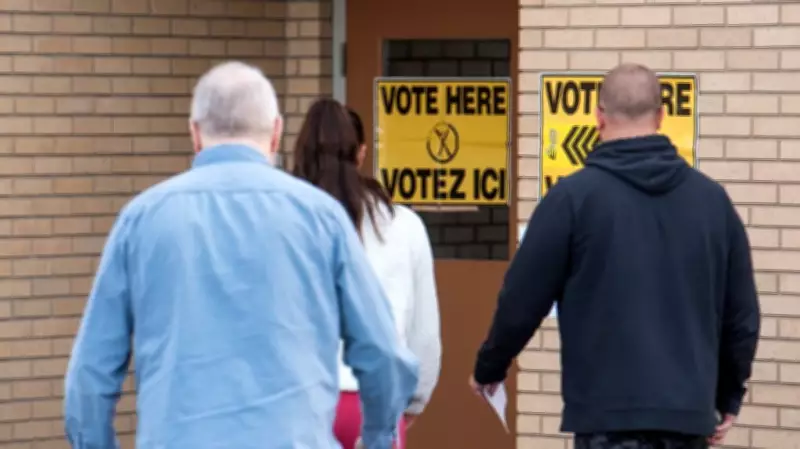
New Brunswick Announces Early Voting Ahead of Municipal Elections in May
In a significant move to enhance democratic participation, the province of New Brunswick has officially introduced early voting options for the upcoming municipal elections scheduled for May 2026. This initiative, announced on April 20, 2026, is designed to provide greater flexibility and accessibility for voters across the region.
Expanding Voter Access and Convenience
The decision to implement early voting comes as part of a broader effort to modernize the electoral process and address barriers that may prevent citizens from casting their ballots. By allowing voters to participate ahead of the official election day, officials hope to reduce long lines at polling stations and accommodate individuals with busy schedules or mobility challenges.
Early voting periods will be established in various locations throughout New Brunswick, including familiar sites such as the Nashwaaksis Baptist Church in Fredericton, which served as a polling location during the 2024 provincial election. This continuity aims to build voter confidence and familiarity with the process.

Strategic Timing and Implementation
The announcement, made by provincial authorities, underscores a proactive approach to election management. With municipal elections playing a crucial role in local governance, ensuring robust turnout is a priority. Early voting is expected to mitigate issues such as inclement weather or last-minute conflicts that could otherwise deter participation.
This policy shift aligns with trends observed in other jurisdictions across Canada, where early voting has been linked to increased engagement, particularly in municipal contests that historically see lower voter turnout compared to provincial or federal elections.
Logistical Considerations and Public Response
Officials have outlined several key logistical steps to facilitate a smooth early voting process:
- Designation of multiple early voting sites across urban and rural areas to ensure equitable access.
- Extended hours at polling locations to accommodate working professionals and students.
- Public awareness campaigns to educate voters on dates, locations, and identification requirements.
Initial public response has been largely positive, with many residents expressing appreciation for the added convenience. However, some concerns have been raised regarding the potential for increased administrative costs and the need for stringent security measures to prevent fraud.
Broader Implications for Democratic Engagement
The introduction of early voting in New Brunswick represents a meaningful step toward fostering a more inclusive electoral environment. By removing temporal barriers, the province aims to empower a diverse cross-section of the population, including seniors, shift workers, and caregivers, to exercise their democratic rights.
As the May 2026 elections approach, election officials will monitor the implementation closely, gathering data on participation rates and voter feedback to assess the initiative's effectiveness. This data may inform future electoral reforms, potentially setting a precedent for other provinces considering similar measures.
Ultimately, this move reflects a commitment to adapting democratic institutions to meet the evolving needs of citizens, ensuring that local governance remains responsive and representative of community interests.