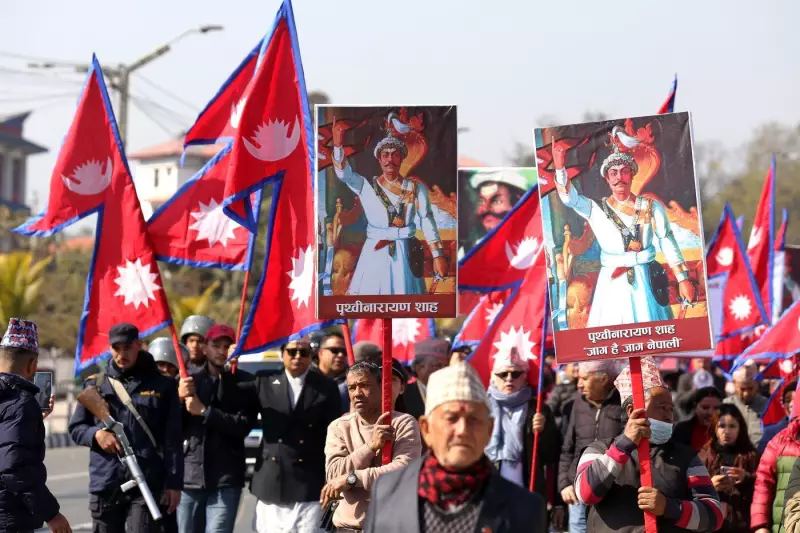
In a significant display of political sentiment, supporters of Nepal's deposed monarchy took to the streets of the capital this weekend, vocally demanding the restoration of the royal institution. The rally comes just months before the Himalayan nation is set to hold pivotal parliamentary elections in March 2026.
Rally Marks Historic Anniversary
The gathering on Sunday, January 11, 2026, was strategically timed to coincide with the birth anniversary of King Prithivi Narayan Shah, the 18th-century monarch who founded the Shah dynasty and unified modern Nepal. Hundreds of royalist supporters participated in the event in Kathmandu, waving flags and carrying portraits of the former king.
The demonstration underscores a persistent undercurrent in Nepalese politics, nearly two decades after the monarchy was officially abolished in 2008 following a decade-long civil war and the establishment of a federal republic. The movement argues that a constitutional monarchy could provide stability above the fray of partisan politics.

Political Context Ahead of Elections
The rally's timing is not coincidental. With national elections scheduled for March 2026, various political factions are mobilizing their bases and defining their platforms. The royalist cause, while not represented by a major political party in the current parliament, seeks to influence the national conversation and apply pressure on mainstream parties.
Analysts note that public sentiment in Nepal has experienced fluctuations since the monarchy's end, with some citizens expressing nostalgia for the institution amid periods of political instability and frequent changes in government. The rally serves as a barometer for this sentiment as the country approaches another electoral test.
An Uphill Constitutional Battle
The path to restoration, however, remains a formidable challenge. Nepal's current constitution, ratified in 2015, firmly establishes the country as a federal democratic republic. Reinstating the monarchy would require a monumental political consensus and a complex, two-thirds majority parliamentary vote to amend the constitution—a scenario most political observers consider unlikely in the near term.
Despite these hurdles, the organized rally in Kathmandu demonstrates that the royalist movement retains a dedicated core of supporters. They are leveraging historical symbols and national identity to advocate for a dramatic shift in the country's governance model, ensuring the debate over Nepal's political future remains vibrant and contested as election day draws nearer.