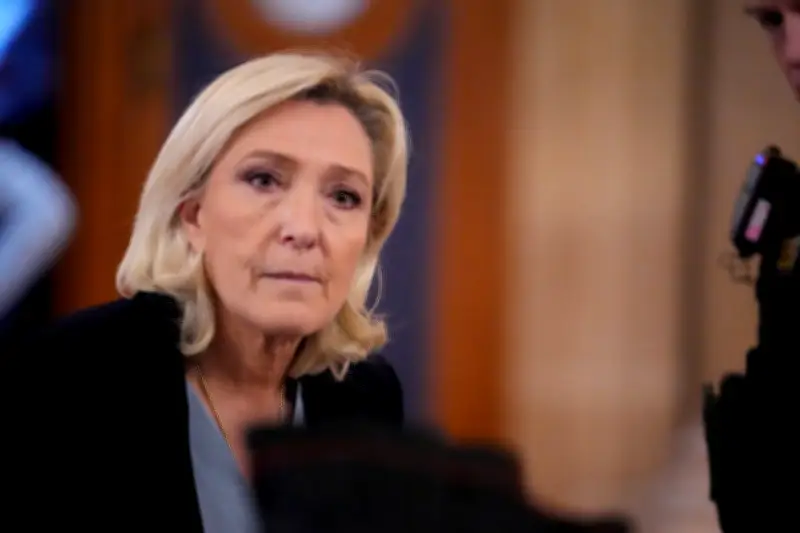
Marine Le Pen's ambition to run for the French presidency in 2027 hangs in the balance as a Paris court prepares to deliver a ruling that could bar her from office. The far-right leader is on trial for allegedly misusing European Union funds, with prosecutors demanding a five-year ban on holding public office, which would effectively end her presidential hopes.
Court Case Details
The trial stems from accusations that Le Pen and other members of her National Rally party used EU parliamentary funds to pay party staff between 2004 and 2016. Prosecutors argue that the funds, intended for European Parliament work, were diverted for domestic political purposes. Le Pen denies any wrongdoing, claiming the charges are politically motivated.
The court's decision, expected later this year, could impose a ban that would take effect immediately, preventing Le Pen from running in the 2027 election. She has been a dominant figure in French politics, finishing second in the 2022 presidential runoff against Emmanuel Macron.

Impact on 2027 Election
A disqualification would reshape the French political landscape, removing a key contender and potentially boosting other candidates. Le Pen's National Rally has been gaining support, and she remains a favorite among right-wing voters. According to a recent poll, she would lead the first round of voting if the election were held today.
Political analysts say the ruling could either galvanize her base or fracture the far-right vote if she is barred. Le Pen has vowed to appeal any adverse decision, but legal experts note that appeals may not be resolved before the election deadline.
Broader Context
The case is part of a wider crackdown on EU fund misuse across member states. Le Pen's trial has drawn international attention, with critics accusing her of undermining democratic institutions. Supporters view it as a judicial overreach that silences opposition.
Le Pen's lawyer, Rodolphe Bosselut, said, "This is an attempt to eliminate a political opponent through legal means. We will fight this in every court." The prosecution maintains that the evidence is clear and that the law must apply equally to all.