ICE Crackdown Forces Campaign Overhaul in Minnesota Special Election
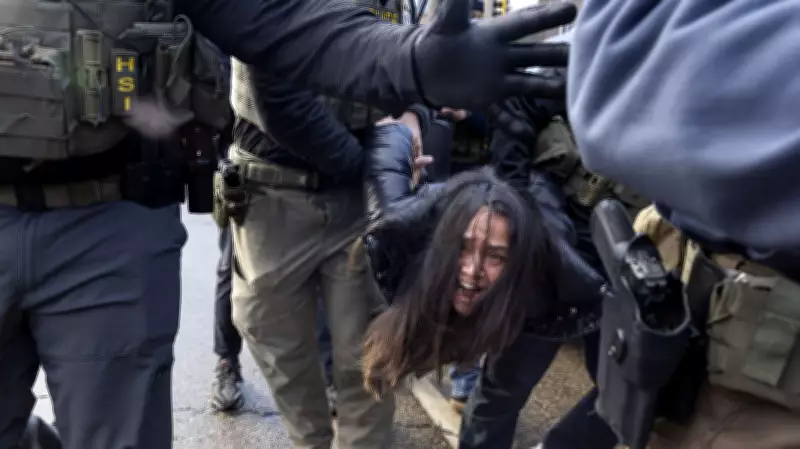
Before Minnesota State Representative Meg Luger-Nikolai secured victory in the January 27 special election for a vacant St. Paul legislative seat, significant concerns loomed over voter intimidation. Her district, along with neighboring Minneapolis, was under a harsh occupation by more than 3,000 federal officers from Immigration and Customs Enforcement (ICE) and Customs and Border Patrol (CBP). This operation had resulted in the deaths of two Twin Cities residents and widespread brutality against citizens and non-citizens alike.
The aggressive crackdown, coupled with alarming statements from the Trump administration and its allies in right-wing media and Congress, fueled fears that ICE might disrupt elections by policing or surrounding polling locations. Secretary of State Steve Simon, a Democrat, expressed particular worry about Luger-Nikolai's race, noting, "We were quite concerned about it, especially for her campaign."
Threats and Realities of Voter Suppression
These anxieties intensified as Trump allies openly threatened to deploy ICE near polls. Former Trump advisor Steve Bannon declared on his podcast, "You’re damn right we’re going to have ICE surround the polls come November." Republican lawmakers, including Senator Mike Lee of Utah and Representative Jason Smith of Missouri, defended the idea of ICE questioning voters at polling sites.

However, during the Minnesota special election last month, these specific threats did not materialize as some had feared. Luger-Nikolai confirmed, "The good thing is there weren’t any reports of ICE near the polls. That part was OK." Yet, the election was far from normal, as the broader ICE crackdown profoundly impacted campaign strategies and voter behavior.
Operation Metro Surge and Its Chilling Effects
Luger-Nikolai's campaign began typically with her winning the party primary in December. But as Trump's Operation Metro Surge escalated into violence, the Minnesota Democratic-Farmer-Labor Party had to pivot tactics. "After the winter break coming into January, we realized that door-knocking was a really bad idea," Luger-Nikolai explained.
A Supreme Court decision on its shadow docket authorized immigration officers to racially profile individuals suspected of being undocumented, leading ICE to target non-white residents—citizens or not—for questioning, detention, or brutal treatment. Officers conducted door-to-door raids in minority neighborhoods, sometimes dragging people from their homes at gunpoint and indiscriminately using pepper spray and tear gas, even hospitalizing a baby.
Richard Carlbom, chairman of the Minnesota Democratic-Farmer-Labor Party, described the impact: "What that did was have an incredibly chilling effect on how people move about our communities. There are U.S. citizens who are Black, brown or Asian who won’t leave their house, and we have to deliver food to them weekly because they’re afraid of being detained."
Adapting Campaign Strategies Under Duress
These fears forced the party to overhaul its voter contact and get-out-the-vote operations. Initially, Luger-Nikolai's campaign avoided knocking on doors at single-family homes to prevent frightening residents. Instead, they focused on apartments, coordinating with building caretakers to notify residents in advance.
But after ICE officer Jonathan Ross shot and killed Renee Good, a 37-year-old mother observing enforcement operations on January 7, even this limited contact dwindled. Caretakers began warning against door-knocking, citing resident fears. Consequently, the campaign relied on phone-banking and leaving literature without direct voter contact—a "suboptimal" approach, as Luger-Nikolai noted, since door-knocking is crucial for voter engagement.
Fears varied by demographics; predominantly white communities were less affected, while Latino, Black, Somali, and Asian communities lived in terror of any knock leading to immigration questioning or violence.

Broader Implications for Democracy and Future Elections
This experience demonstrates that even without ICE surrounding polls, immigration enforcement operations can spread fear and chaos, terrorizing minority communities and altering campaign dynamics. Given that Black, Latino, and Asian voters are key parts of the Democratic coalition, such intimidation could suppress their votes, potentially aiding Republicans.
Although federal and state laws prohibit interference with elections, the Trump administration has shown authoritarian tendencies, with concerns about ICE disrupting the 2026 midterms emerging after operations in Los Angeles and Chicago. Democratic governors like Gavin Newsom and J.B. Pritzker warned these actions might preview using armed agents to seize control of elections.
White House press secretary Karoline Leavitt stated that deploying ICE around polls is not under consideration but did not rule it out, adding, "I can’t guarantee that an ICE agent won’t be around a polling location in November."
Resilience and Community Response
Despite these challenges, Luger-Nikolai's victory was the largest by a Democrat in a special election over the past year, albeit in a safe seat. A week later, under continued ICE/CBP occupation, the state party held precinct caucuses with record turnout of over 35,000 people. The party had prepared by training 9,000 observers and having lawyers ready to intervene if ICE caused issues.
This electoral success suggests Trump's attempts to suppress votes may backfire, fostering community networks that document ICE activities, challenge arrests in court, and provide mutual aid. Instead of retreating in fear, residents united to fight back, creating powerful networks that could counter future interference.
Carlbom believes these networks will be vital for activating voters and ensuring high turnout in November, sending a message to Republicans who supported Trump. "Ultimately, making sure that as many voters as possible demonstrate to Republicans in this state that when you stood with Donald Trump and you didn’t stand with us, we won’t forget that," he said.