Federal Byelections: Advance Polls in Three Ridings Set to Close Monday Night
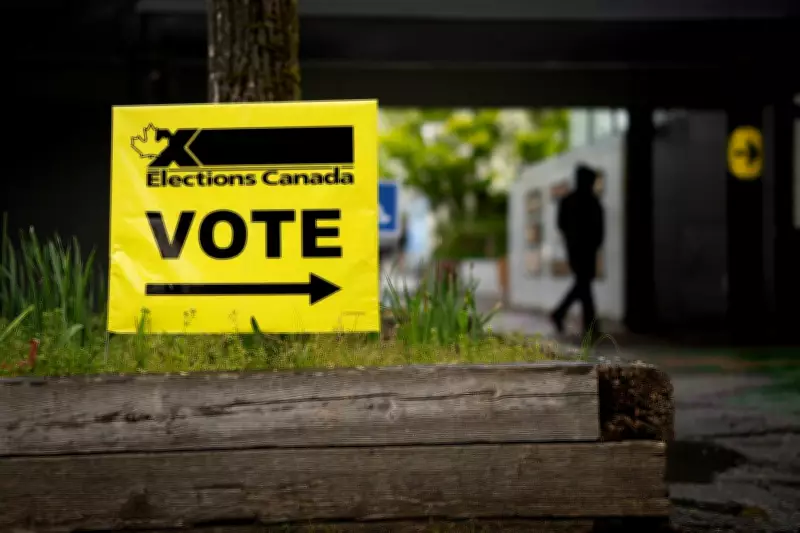
Advance polls in three federal byelections are scheduled to close on Monday night, marking a critical phase in these electoral contests. Voters across the designated ridings have had the opportunity to cast their ballots ahead of the official election day, providing an early glimpse into voter turnout and political engagement.
Key Details on the Byelections
The byelections are being held to fill vacant seats in the House of Commons, with political parties actively campaigning to secure support. Advance polling stations have been open in recent days, allowing residents to vote conveniently outside of the regular election schedule. This process is designed to accommodate those who may be unable to vote on the main election day due to work, travel, or other commitments.
Importance of Advance Polls: Advance voting is a significant aspect of Canadian elections, as it can influence campaign strategies and provide insights into voter behavior. High turnout in advance polls often indicates strong public interest in the electoral outcomes, which can shape party messaging and resource allocation in the final days of campaigning.

Broader Political Context
These byelections occur against a backdrop of ongoing political developments, including debates on issues such as high-speed rail, financial trade with China, and aid programming for Ukraine. The results may serve as a barometer for public sentiment on federal policies and leadership, potentially impacting future legislative agendas.
Voter Participation: Elections Canada encourages all eligible voters to participate, emphasizing the importance of every ballot in determining representation. With advance polls closing, attention now shifts to the official election day, where final results will be tallied and announced.
What to Expect Next
Following the closure of advance polls, election officials will begin processing and securing ballots in preparation for counting on election night. Candidates and parties are likely to intensify their outreach efforts in the remaining campaign period, aiming to mobilize supporters and sway undecided voters.
The outcomes of these byelections could have implications for the balance of power in Parliament, influencing government dynamics and policy directions. As such, they are closely watched by political analysts and the public alike.