Family of Chinese Hiker Killed in B.C. Mountain Fall Confronts Massive Medical Debt
The grieving family of a Chinese hiker who tragically died after a fall in the mountains of British Columbia is now facing an overwhelming financial burden due to enormous medical bills. This incident underscores the severe financial risks that international visitors can encounter when accidents occur in remote Canadian wilderness areas.
Details of the Tragic Incident
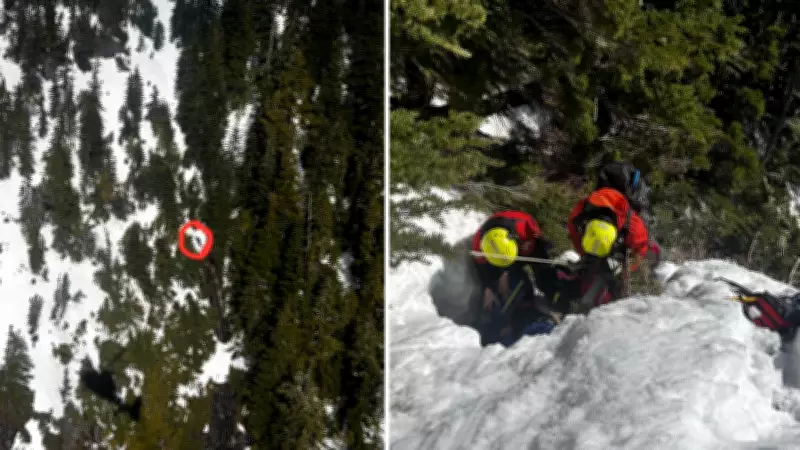
On March 21, 2026, a critically injured hiker was rescued from a mountainous site in British Columbia, as shown in images released by North Shore Rescue. The rescue operation involved multiple crews working diligently at the scene. Despite these efforts, the hiker, identified as a Chinese national, succumbed to injuries sustained in the fall.
The exact location and specific circumstances of the accident have not been fully disclosed, but it occurred in a rugged terrain area that required specialized rescue teams. Such remote locations often involve complex and costly emergency response operations, which can lead to significant expenses for those involved.

Financial Aftermath for the Family
The family of the deceased hiker is now confronted with medical bills described as "enormous" by sources close to the situation. These costs likely include expenses related to the rescue mission, emergency medical care, and potentially other associated fees. For international visitors without comprehensive travel insurance or coverage under Canadian healthcare systems, such incidents can result in devastating financial liabilities.
This case highlights a broader issue regarding the financial vulnerabilities faced by tourists engaging in outdoor activities in Canada. While British Columbia is renowned for its stunning natural landscapes and hiking trails, accidents in these areas can lead to unforeseen economic hardships for victims and their families, particularly those from abroad.
Broader Context and Implications
The tragedy occurs amidst ongoing discussions about safety and preparedness in wilderness tourism. British Columbia's mountainous regions attract numerous international visitors each year, many of whom may not be fully aware of the potential risks and financial implications of accidents. Experts emphasize the importance of adequate travel insurance and awareness of local emergency protocols for all hikers, regardless of their origin.
Furthermore, this incident raises questions about support systems for families of international victims in similar situations. While rescue organizations like North Shore Rescue perform vital lifesaving work, the subsequent financial burdens can leave families struggling long after the immediate crisis has passed.
As the family navigates this difficult period, their experience serves as a poignant reminder of the hidden costs that can accompany outdoor adventures in remote locations. It also calls attention to the need for clearer communication and resources to help prevent such financial crises in the future.