

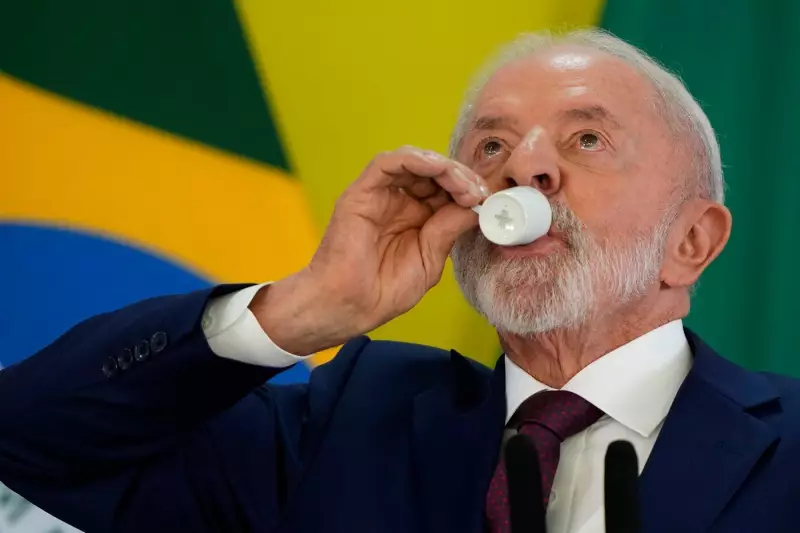
In a significant political move, Brazilian President Luiz Inácio Lula da Silva has exercised his executive power to block a legislative proposal that could have lessened the potential prison time for his predecessor, Jair Bolsonaro. The veto was issued on January 08, 2026, firmly shutting down a path that might have offered the former president a reduced sentence.
The Contentious Bill and Presidential Veto
The specific details of the vetoed bill were not fully disclosed in the initial report, but its core implication was clear: it contained provisions that could have led to a reduction in incarceration periods for certain convictions. Analysts suggest such legislation, if enacted, could have directly benefited Bolsonaro, who faces multiple ongoing legal investigations and potential charges. President Lula's decisive action prevents any such legal relief from becoming law, ensuring the judicial processes against Bolsonaro proceed under the existing legal framework.
Deepening Political Rivalry
This veto intensifies the long-standing and deeply polarized rivalry between Lula and Bolsonaro, two figures who have dominated Brazilian politics for years. Lula, who returned to the presidency after defeating Bolsonaro in the 2022 election, has consistently faced opposition from Bolsonaro's supporters. The former president remains a influential, albeit controversial, figure on the Brazilian right. By vetoing this bill, Lula has demonstrated a firm stance against any legislative efforts perceived as designed to shield his political opponent from the full weight of the justice system.

The context of the veto is set against a backdrop of ongoing legal challenges for Bolsonaro. He is under investigation for matters ranging from his handling of the COVID-19 pandemic to allegations of spreading misinformation and his conduct surrounding the 2022 election. The prospect of prison time has been a recurring theme in political discourse surrounding the former leader.
Implications for Brazil's Legal and Political Landscape
President Lula's veto carries substantial consequences. Firstly, it reinforces the principle that legislative changes affecting sentencing should not be tailored for specific individuals, especially those in high political office. Secondly, it signals that the current administration will not facilitate legal escapes for the previous one, potentially setting a precedent for accountability.
For Bolsonaro and his allies, this is a clear setback. It closes one potential avenue for mitigating his legal risks and ensures that his fate will be determined by the courts under current laws. The move is likely to galvanize both his supporters and detractors, possibly leading to further political tension in Brazil.
Internationally, the decision will be watched closely as a test of Brazil's institutional strength and its commitment to judicial independence. It underscores the continuing turmoil and division within one of South America's largest democracies, as it grapples with the legacy of Bolsonaro's presidency and the direction of Lula's current term.






