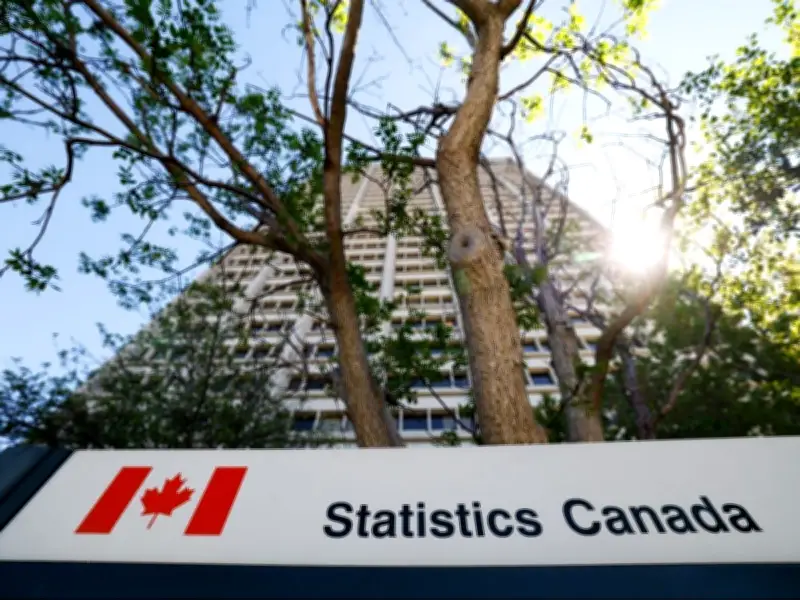
Recent economic data from Statistics Canada paints a grim picture. The country has lost approximately 120,000 jobs so far this year, and economic activity in the first quarter of 2026 declined marginally, worse than expected. This follows a slight contraction in the fourth quarter of 2025.
Technical Recession Looms
Two consecutive quarterly declines in inflation-adjusted GDP suggest Canada may be in a technical recession. In fact, the economy has failed to grow in three of the last four quarters. While future revisions may clarify the downturn, the overall trend indicates a struggling economy.
Consumer spending has been surprisingly resilient, preventing a sharper decline. Many households are dipping into savings to maintain purchases despite a deteriorating job market and widespread uncertainty.

Trade and Investment Woes
Reduced exports and higher imports weighed on growth in early 2026. US President Donald Trump's sectoral tariffs on some Canadian exports and chaotic US trade policy are hurting confidence and hampering business expansion.
Weak investment remains a key factor. Housing-related investment fell again despite political promises to boost supply. Business capital spending on machinery, equipment, technology, and intellectual property has trended lower since early 2025, continuing a decade-long pattern.
Productivity Concerns
Sluggish business investment limits productivity growth and wage increases. A recent study shows total business investment as a share of the economy was lower in 2022-2025 than in 2014-2021. On a per-worker basis, Canadian business investment is less than 60% of the US level, lagging many advanced economies.
Prime Minister Mark Carney's government has acknowledged the risks and aims to attract $1 trillion in new investment by 2030. Steps include reducing obstacles for major projects and unveiling a $25 billion Canada Strong Fund. However, details are scarce, and it's unclear if another debt-financed fund will turn the economy around.
A more effective strategy would involve overhauling tax policy and cutting federal regulations that stifle business growth. So far, the Carney government has shown little appetite for such reforms.
Jock Finlayson is a senior fellow at the Fraser Institute.