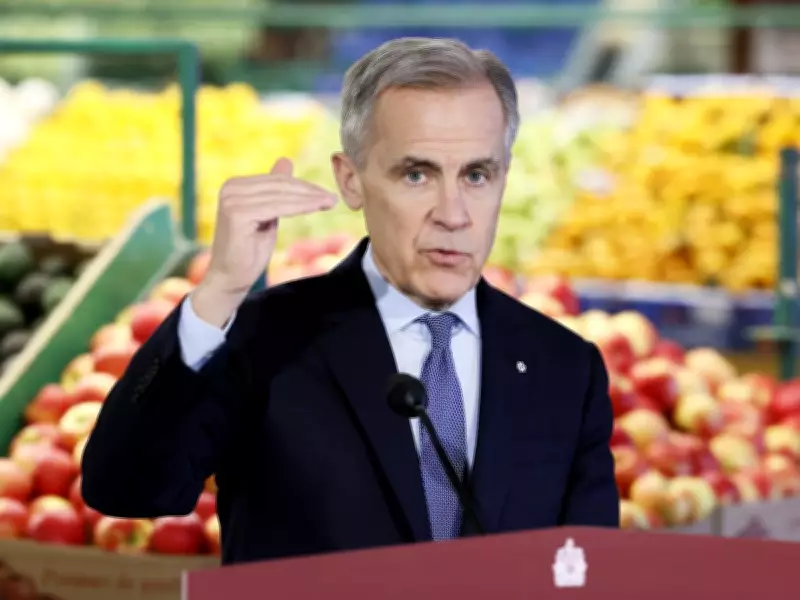
Politicians are desperate to make your grocery bill cheaper, but not everyone thinks it is a good idea. For government, the conundrum rests on a misalignment between the economics of grocery prices and the politics.
The Coriander Conundrum
Like with parsley, carrots, dill, and most other members of the apiaceae family of edible plants, the retail price of coriander has been growing like a weed. While the prices of many items on grocery store shelves have been heading north in recent months and years, the price of fresh coriander — and the cilantro leaves that come from the same plant — tends to be even more volatile than most because the plant is a bit precious: it needs good weather, spoils quickly after being picked, and is usually imported.
That means its shelf price, which has more than doubled in some markets since the start of the pandemic, is more susceptible to exchange rate fluctuations and fuel price spikes, such as those that followed the recent attacks on Iran and the subsequent closing of the Strait of Hormuz.

Broader Grocery Price Trends
The price of coriander is just one small component in the broader basket of items on Canadian grocery store shelves, the costs of which have been rising sharply in recent years. The Bank of Canada said earlier this year that grocery prices climbed about 22 percent between 2022 and 2025, compared to a jump of 13 percent for other consumer prices during the same period.
But there are no policy options to deal with grocery prices that will not cause more harm than good, said Don Drummond, a former high-ranking official at the Department of Finance and chief economist at TD Bank. “There are no policy levers that would quickly and decisively lower grocery store prices,” he said. “All they can do is re-distribute who pays and when.”
Economic Risks of Government Intervention
Drummond says the rise in food prices is a trap for governments because most efforts to do something will mean borrowing more money, thereby adding to the burden that future generations will pay for today’s consumption. Scratching more cheques for consumers is also dangerous because it is expensive, adds to the expectation that governments will bail people out, and puts further pressure on inflation by boosting demand. “There is nothing useful that can be done,” he added.
Many Canadians, however, believe their grocery bills have been climbing faster than the Bank of Canada’s statistics show. The central bank says the average Canadian spends about 11 percent of their budget on groceries, although that figure tends to be much larger for those with limited resources.
Consumer Impact
For many consumers, the conundrum has simply been about what to do about rising grocery prices, especially when they show few signs of heading back down. They are annoying for pretty much everybody, but a serious issue for those on tighter budgets. In some cases, the price hikes have changed their lives, leaving them unable to pay bills or even hungry. Statistics Canada reported a full four years ago, in the early days of the recent price hikes, that consumers were also responding to the post-pandemic food inflation by buying less and hunting more for bargains.
For governments, however, the conundrum rests on a misalignment between the economics of grocery prices and the politics, leaving them struggling to try to do something about a major problem that is difficult to influence.