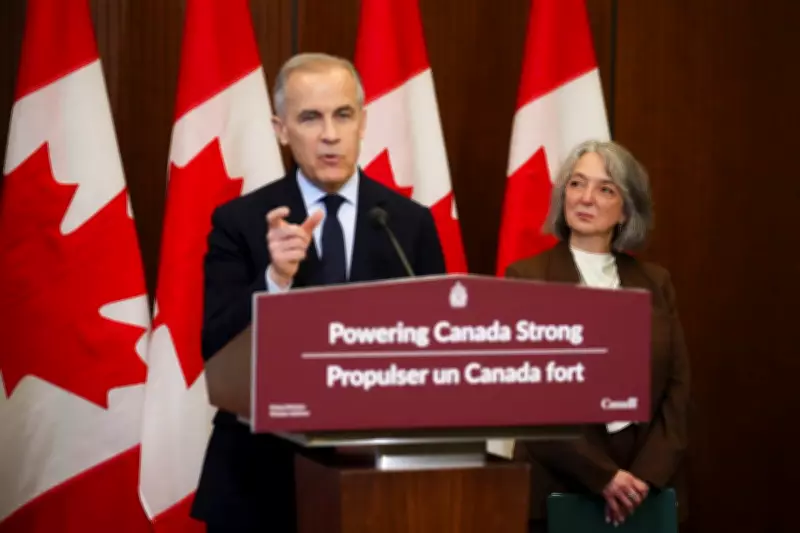
The federal government is under mounting pressure to provide clear evidence of how its policy changes are influencing Canada's greenhouse gas emissions. Prime Minister Mark Carney and Environment and Climate Change Minister Julie Dabrusin are facing scrutiny from opposition parties, environmental groups, and the public to show tangible results from their climate agenda.
Political Pressure Mounts
Conservative Leader Pierre Poilievre has accused the Carney government of pushing Canada into recession territory, arguing that the current policies are harming the economy without delivering meaningful emissions reductions. He called for a more balanced approach that protects jobs while addressing climate change.
Environmental Concerns
Environmental advocates, meanwhile, are demanding more aggressive action. They point to recent reports suggesting that Canada is not on track to meet its 2030 emissions targets under the Paris Agreement. The government has pledged to reduce emissions by 40-45% below 2005 levels by 2030.

The pressure comes as the Liberal Party faces internal divisions. A prominent environmentalist recently quit the party, citing frustration with the pace of climate action. The prime minister has also offered to help the MAGA movement, a comment that has drawn criticism from both sides of the political spectrum.
International Context
Canada's climate policies are being watched closely internationally. As China's foreign minister visits Canada, former diplomats are sharing insights on bilateral relations and climate cooperation. The U.S. Trump administration has proposed raising North American auto content requirements to 82%, with half from the U.S., which could impact Canada's automotive sector and its emissions profile.
Economic Implications
The debate over emissions is intertwined with economic concerns. Gas prices have fallen on Middle East optimism, but uncertainty remains. The government is balancing environmental goals with economic stability, as sectors like manufacturing and energy face transition challenges.
In the energy sector, renewable energy investments are growing, but fossil fuel production continues. The government has announced new green building standards and electric vehicle incentives, but critics say more needs to be done to phase out fossil fuels.
Public Opinion
Public opinion polls show that Canadians are deeply divided on climate policy. While a majority support action on climate change, there is significant concern about the economic costs. The government is trying to navigate this divide, emphasizing job creation in clean energy and technology.
As the debate continues, all eyes are on Ottawa to see whether the government can deliver on its promises and demonstrate that its policies are making a real difference in reducing emissions.