In a high-stakes move following the capture of Nicolas Maduro, the Trump administration is pressuring Venezuela's powerful interior minister, Diosdado Cabello, to fall in line behind interim President Delcy Rodriguez or risk becoming the next target, according to sources familiar with the matter.
A Calculated Strategy for Stability
The U.S. has made a controversial decision to rely on key figures from Maduro's inner circle to maintain order during a transition period. Officials fear that the opposition, led by Nobel laureate Maria Corina Machado, could not guarantee the calm needed for two critical U.S. objectives: restarting access for American oil companies to Venezuela's vast reserves and avoiding the deployment of U.S. ground troops.
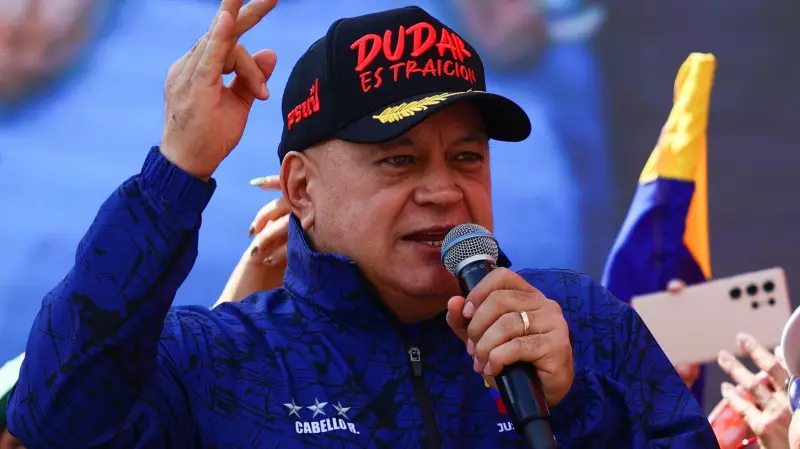
This strategy is based on a classified CIA assessment which concluded that Maduro's top aides are best positioned to run the country on an interim basis. The administration is especially focused on ensuring the cooperation of Cabello, who controls security forces accused of severe human rights abuses and is seen as a potential spoiler due to his history of rivalry with Rodriguez.

Threats and Leverage
U.S. intermediaries have delivered a stark warning to Cabello: if he is defiant, he could face a fate similar to Maduro, who was captured in a U.S. raid on Saturday, January 4, 2026, and taken to New York to face "narco-terrorism" charges, or his life could be in danger. Both Cabello and Defense Minister Vladimir Padrino are already under U.S. drug trafficking indictments with multi-million-dollar bounties on their heads.
However, moving against Cabello is considered risky, as it could provoke pro-government motorcycle gangs, known as colectivos, to unleash street chaos. The administration sees Padrino's collaboration as equally crucial due to his command of the armed forces, believing he is more pragmatic and likely to seek a safe exit while cooperating.
For now, Washington views Delcy Rodriguez as the linchpin of its plan. The U.S. has communicated a list of demands to her, including opening Venezuela's oil industry on terms favorable to U.S. companies, cracking down on narcotics, expelling Cuban security personnel, and ending cooperation with Iran. The U.S. wants to see progress on these goals within weeks. As leverage, the U.S. could seize Rodriguez's identified assets sheltered in Qatar.
A Work in Progress
The overall U.S. strategy for governing post-Maduro Venezuela is described by one source as "very much still a work in progress." While the administration eventually wants to see a move toward new elections, the timeframe is uncertain. The approach has drawn criticism as neocolonialism and a violation of international law, marking the biggest U.S. intervention in Latin America since the 1989 invasion of Panama.
U.S. authorities are also working to co-opt other senior and mid-level Venezuelan officials to pave the way for a government acquiescent to Washington's interests. The goal is to exert heavy influence over the OPEC nation without deploying unpopular U.S. ground forces. The success of this precarious plan hinges on the fragile unity among Maduro's former loyalists and their willingness to comply with Washington's urgent demands.