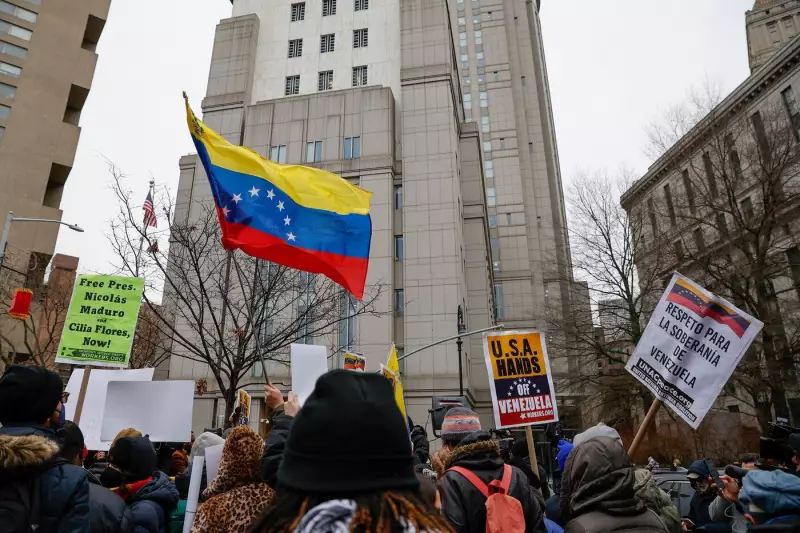
A recent U.S. military operation in Venezuela has raised significant questions about its potential ripple effects for Canada, touching on areas from national security to economic stability. Assistant Professor of Political Science Bryan Peeler provides a detailed breakdown of the situation and what it could mean for Canadians.
Breaking Down the U.S. Military Action
The raid, conducted by United States forces, represents a significant escalation in regional tensions. While the precise operational details from January 07, 2026 remain under analysis, the move signals a robust and direct interventionist stance by the U.S. in Venezuelan affairs. Professor Bryan Peeler emphasizes that such actions are never isolated events and inevitably create geopolitical waves that reach allied nations like Canada.
Direct Implications for Canadian Security and Policy
According to Peeler's analysis, Canada must now navigate a complex set of potential consequences. National security considerations are paramount, as the operation could alter threat assessments and intelligence priorities within the Western Hemisphere. Canada's foreign policy stance, often walking a fine line between its alliance with the U.S. and its own diplomatic principles, may face new pressures.

Furthermore, the professor highlights the immediate economic impact, particularly on global oil markets. Venezuela possesses some of the world's largest proven oil reserves. Any military action that destabilizes the region or disrupts production, even indirectly, can lead to volatility in crude oil prices. For Canada, a major energy producer and exporter, this volatility translates into direct effects on its economy, influencing everything from the value of the Canadian dollar to provincial revenues in energy-rich regions.
Broader Regional and Global Repercussions
The operation sets a precedent that could reshape diplomatic relations across Latin America and the Caribbean, regions where Canada has significant trade and development interests. Peeler suggests that Ottawa will need to carefully calibrate its response to maintain its relationships in the hemisphere while upholding its commitments within NORAD and other bilateral security agreements with the United States. The situation underscores the interconnected nature of modern geopolitics, where a military action in one nation can influence economic stability, diplomatic ties, and security protocols for a country thousands of kilometers away.
In conclusion, while the full scope of the U.S. raid's aftermath is still unfolding, expert analysis indicates that Canada is not a mere spectator. The event necessitates careful analysis by policymakers in Ottawa concerning energy markets, hemispheric security, and the future of Canada's strategic partnership with its closest ally.