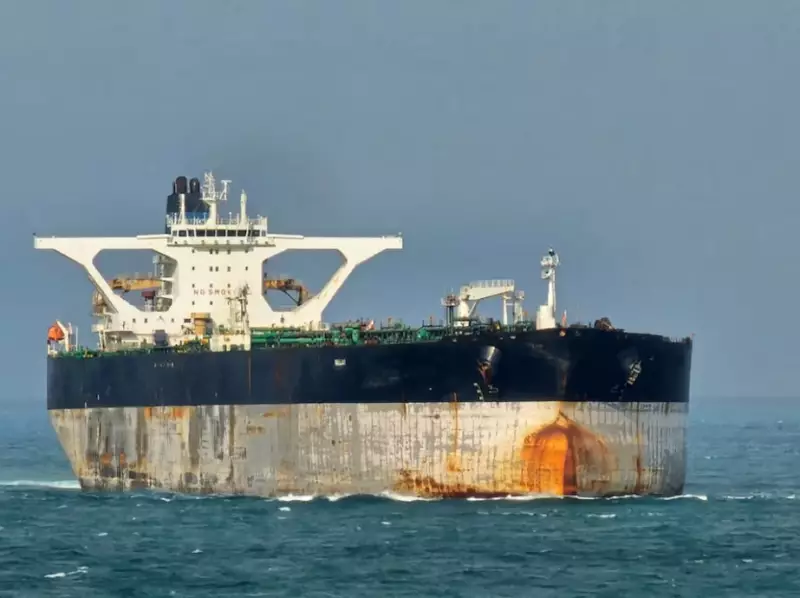
In a significant enforcement action, the United States government has seized two oil tankers connected to Venezuela in the Atlantic Ocean. The vessels, which were sanctioned back in 2024, were taken into U.S. custody on January 7, 2026.
Strategic Seizure and Sanctions Shift
The operation represents a continued hardline approach towards Venezuela's oil sector, a key source of revenue for its government. However, in a parallel and nuanced policy move, U.S. authorities are selectively removing certain sanctions. This calibrated easing is specifically designed to enable controlled sales of Venezuelan oil, suggesting a strategic shift aimed at influencing global energy flows while maintaining pressure on Caracas.
Details of the Enforcement Action
The seizures were carried out by U.S. forces, though the exact locations and names of the tankers were not immediately disclosed in the initial report. The action underscores the ongoing reach of U.S. financial and maritime sanctions, even years after they were first imposed. The decision to simultaneously create exemptions for sales indicates a complex policy balancing act between exerting economic pressure and managing oil market stability.

Global and Market Implications
This dual-track strategy by the U.S. is likely to have immediate ripple effects. For global energy markets, the prospect of sanctioned Venezuelan oil entering legal sales channels could alter supply calculations. For Venezuela, the move creates a precarious situation: potential relief from some oil revenue constraints, but under the strict oversight and conditions set by Washington. The long-term impact on Venezuela's economy and the geopolitical standing of the U.S. in the region remains a key point of observation for analysts and policymakers worldwide.
The developments reported by The Associated Press highlight the evolving nature of international sanctions as a tool of foreign policy, where outright bans are sometimes tempered with tactical permissions to achieve broader strategic goals.