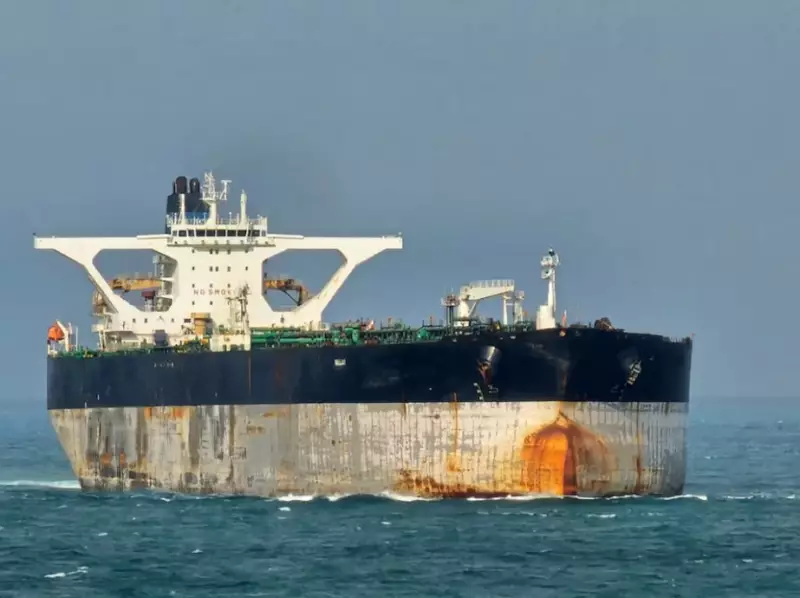
The United States government has successfully seized a Russian-flagged oil tanker with ties to Venezuela following an extensive, weeks-long pursuit across the Atlantic Ocean. The vessel had been under U.S. sanctions since 2024.
Details of the Maritime Seizure
The seizure was executed on January 07, 2026, marking a significant enforcement action against a sanctioned asset. The tanker, flying the Russian flag, was intercepted in the Atlantic after American authorities tracked it for several weeks. While the exact location of the final capture was not specified in the initial report, the operation underscores the reach of U.S. maritime enforcement capabilities.
This action directly targets a vessel linked to Venezuela's oil sector, which has been subject to a complex web of international sanctions. The 2024 sanctions placed on this specific tanker were part of broader measures aimed at restricting the revenue flows of the Venezuelan government.

Background and Broader Implications
The prolonged pursuit highlights the challenges and determination involved in enforcing sanctions on the high seas. Seizing a large vessel like an oil tanker requires careful coordination and legal justification, often involving claims of violating specific sanction regimes.
This event is likely to have diplomatic repercussions, involving at least three nations: the United States, Venezuela, and Russia. The seizure of a Russian-flagged vessel, regardless of its cargo's origin, adds a layer of geopolitical tension to the ongoing enforcement of economic sanctions.
What Happens Next?
The immediate fate of the tanker and its crew remains unclear. Typically, such seizures lead to the vessel being escorted to a port where it can be held under the jurisdiction of the seizing nation. The cargo of oil may be subject to forfeiture.
This bold move signals the U.S. commitment to actively disrupting sanctioned trade networks, even when they involve complex international ownership and flagging structures. It serves as a warning to other vessels and entities attempting to circumvent similar restrictions.