Final U.S.-Russia Nuclear Arms Control Treaty Lapses, Igniting Global Security Fears
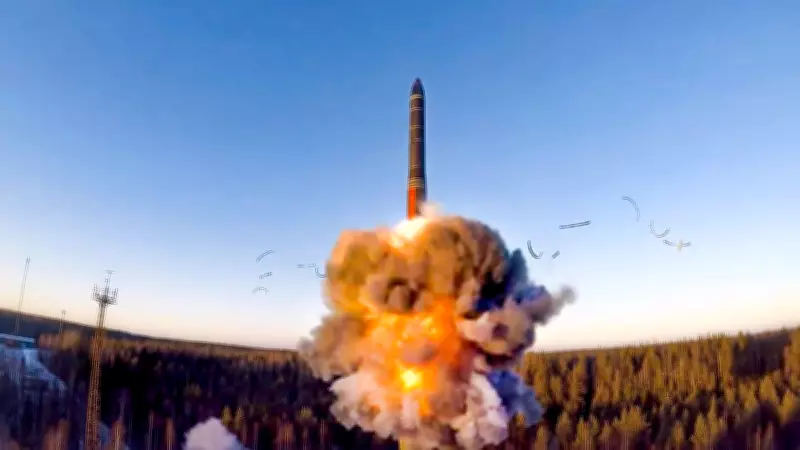
The last remaining major nuclear arms control agreement between the United States and Russia has officially expired, according to reports from February 2026. This development has immediately prompted significant international concern regarding the potential for a new, destabilizing global arms race. The treaty, which had served as a critical pillar of strategic stability between the two nuclear superpowers for years, is no longer in effect, leaving a substantial void in the framework governing the world's largest atomic arsenals.
A Critical Pillar of Stability Removed
For decades, bilateral treaties between Washington and Moscow provided essential guardrails, limiting the number of deployed strategic nuclear warheads and launchers. The expiration of this final pact effectively removes those verified constraints, allowing both nations to potentially expand their nuclear capabilities without formal, mutual oversight. This situation marks a significant regression in international arms control efforts and represents a major setback for global non-proliferation objectives. Analysts warn that the absence of binding agreements could lead to increased mistrust, more aggressive posturing, and a dangerous cycle of escalation.
Historical Context and Immediate Repercussions
The lapse of this treaty does not occur in a vacuum. It follows years of deteriorating diplomatic relations, mutual accusations of treaty violations, and broader geopolitical conflicts, including the ongoing war in Ukraine. The international community, including allies in NATO and other global powers, is now grappling with the sobering reality of a world where the two largest nuclear arsenals are no longer bound by mutual limits. Security experts emphasize that this creates an environment ripe for miscalculation and could force other nations to reconsider their own defense and deterrence postures in response.

Global Calls for Diplomacy and Future Pathways
In the wake of the treaty's expiration, there have been urgent calls from world leaders and international organizations for renewed diplomatic engagement. The primary goal is to establish a new framework for strategic stability to prevent a costly and perilous arms race. However, the path forward remains fraught with challenges, given the current state of U.S.-Russia relations. The situation underscores the fragile nature of international security architecture and highlights the pressing need for innovative diplomatic solutions to manage one of the greatest threats to global peace.