U.S. Diplomacy and Military Buildup Intensify Amid Iran Conflict
The United States has formally presented a detailed 15-point ceasefire proposal to Iran, utilizing Pakistani intermediaries to deliver the plan, according to officials in Islamabad. This diplomatic initiative unfolds concurrently with a significant American military reinforcement in the Middle East, as Washington begins moving paratroopers to back up Marine units already en route to the volatile region.
Iran Dismisses Diplomacy, Launches Regional Strikes
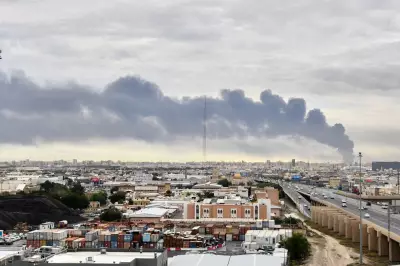
Iran's military command has openly mocked the diplomatic overtures, maintaining its aggressive posture with a series of attacks on Wednesday targeting Israel and Persian Gulf nations. One assault ignited a massive fire at Kuwait International Airport, sending plumes of black smoke into the sky and highlighting the ongoing regional instability.
The Pakistani officials, who spoke anonymously due to lack of authorization, outlined the American plan as a broad framework addressing several critical issues. The proposal reportedly includes provisions for sanctions relief, civilian nuclear cooperation, a rollback of Iran's nuclear program, enhanced monitoring by the International Atomic Energy Agency, limitations on missile development, and guarantees for safe shipping passage through the strategically vital Strait of Hormuz.

Military Escalation and Economic Impact
Even as diplomacy is pursued, the Pentagon is accelerating its military deployment. Plans are underway to send at least 1,000 troops from the 82nd Airborne Division to the Middle East in the coming days, alongside two Marine units that will add approximately 5,000 Marines and thousands of sailors to the regional contingent.
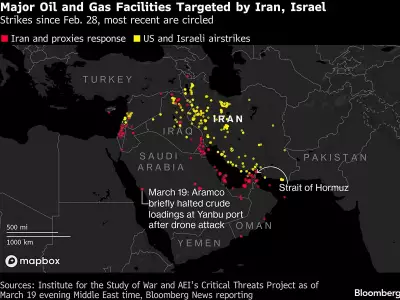
Iran's sustained attacks on energy infrastructure and its effective blockade of the Strait of Hormuz—a chokepoint for one-fifth of global oil shipments—have triggered a dramatic surge in oil prices, fueling fears of a worldwide energy crisis. Brent crude oil prices approached $120 a barrel during the conflict, though news of potential ceasefire talks provided some calm, with prices settling around $100, still nearly 40% higher than pre-war levels.
Diplomatic Challenges and Regional Reactions
The ceasefire proposal, described by an Egyptian official involved in mediation as "a comprehensive deal," faces monumental hurdles. Key obstacles include Washington's evolving demands regarding Iran's ballistic missile and nuclear programs, uncertainty over which Iranian officials possess the authority or willingness to negotiate, and deep-seated Iranian distrust of U.S. diplomacy.
Lt. Col. Ebrahim Zolfaghari, a spokesman for Iran's Khatam Al-Anbiya Central Headquarters, issued a defiant video statement, asserting, "Our first and last word has been the same from day one... Someone like us will never come to terms with someone like you. Not now, not ever." Iranian Foreign Ministry spokesperson Esmail Baghaei echoed this skepticism, citing "catastrophic" past experiences with U.S. negotiations.
Meanwhile, Israel expressed surprise at the submission of a ceasefire plan, having advocated for continued military action against Iran. The Israeli military announced new wide-scale attacks on Iranian government infrastructure early Wednesday, with airstrikes reported in the northwestern city of Qazvin.
International Mediation and Human Toll
Mediators are pushing for potential in-person talks between Iranian and American officials, possibly as soon as Friday in Pakistan. However, logistical challenges and security concerns, particularly regarding Israeli airstrikes that have killed Iranian leaders including Supreme Leader Ayatollah Ali Khamenei, complicate these efforts.
China has reiterated its support for de-escalation, with Foreign Minister Wang Yi urging all parties to "seize every opportunity and window for peace." The conflict's human cost continues to rise, with Lebanese authorities reporting over 1,000 deaths and more than 1 million displaced. Iran's Health Ministry states its death toll has surpassed 1,500, while Israel has reported 16 fatalities, and at least 13 U.S. military personnel have been killed.

The White House has not commented on the ceasefire proposal, but President Donald Trump has acknowledged that American officials are engaged in negotiations with Iran, involving special envoy Steve Witkoff, his son-in-law Jared Kushner, Secretary of State Marco Rubio, and Vice President JD Vance.