Iran's Oil Revenue Skyrockets Amid Regional Conflict
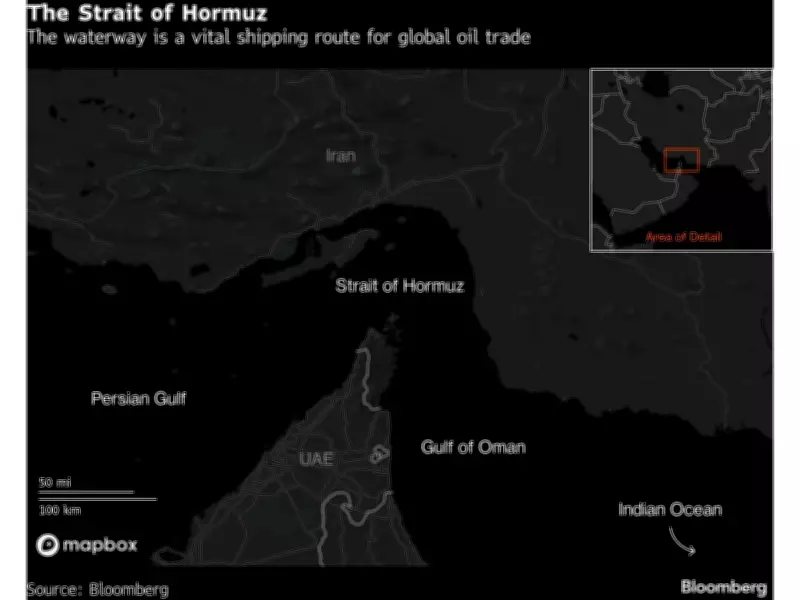
Iran has likely generated hundreds of millions of dollars in additional income from oil sales since the onset of the war, capitalizing on a significant surge in crude prices. This financial windfall stems from its unique position as the only major exporter able to utilize the Strait of Hormuz, a critical maritime chokepoint for global oil shipments.
Dual Benefits from Price Movements
The Islamic Republic is experiencing a twofold advantage from recent market dynamics. Its flagship crude grade, Iranian Light, is being sold to customers, predominantly in China, at the narrowest discount to Brent crude in over ten months. Simultaneously, the international benchmark itself has soared above US$100 per barrel since the bombing campaigns began, amplifying Iran's revenue potential.
Iran's oil exports are estimated to have remained near prewar levels of approximately 1.6 million barrels per day this month. Ships transporting Iranian crude continue to load at the Kharg Island terminal and exit the Persian Gulf through the Strait of Hormuz, with activity even accelerating in recent weeks.

Contrast with Other Gulf Producers
This situation stands in stark contrast to the effective blockade imposed on shipments from other Gulf oil producers. While the United States and Israel have conducted daily airstrikes against Iran, their military efforts have been partially undermined by Tehran's ability to sustain its financial lifeline through uninterrupted oil exports.
Tehran stands to gain even further after Washington, in an effort to mitigate the war's impact on global oil prices, took the surprising step of temporarily suspending sanctions on a substantial quantity of Iranian oil already at sea in tankers.
"The Trump Administration is practically begging Iran to sell oil," observed Richard Nephew, senior research scholar at Columbia's Center on Global Energy Policy and former U.S. Department of State official. "I would have thought that interdicting Iranian oil sales would have been a priority for the United States."
Quantifying the Revenue Increase
Based on export estimates from Tankertrackers.com and pricing data for Iranian Light crude, Tehran would have earned approximately US$139 million daily from sales of its main crude blend so far in March. This represents a substantial increase from the US$115 million per day recorded in February.
Iran's oil has grown significantly more valuable relative to the international Brent benchmark. The discount has narrowed to just US$2.10 per barrel at the start of this week, marking the smallest differential in nearly a year. Before the conflict, this discount exceeded US$10 per barrel.
Strategic Importance for Reconstruction
The higher selling price per barrel is crucial for Iran, which has sustained major damage from U.S. and Israeli airstrikes and will need to make substantial investments to rebuild its ravaged economy. The country has also expended numerous weapons in retaliatory strikes across the Middle East that will require replenishment.
As nations like Iraq and Kuwait have been compelled to sharply reduce production, and the United Arab Emirates and Saudi Arabia have scrambled to utilize alternative export routes, Iran has maintained its loading operations at Kharg Island and continued sailing tankers out of the Persian Gulf unimpeded.