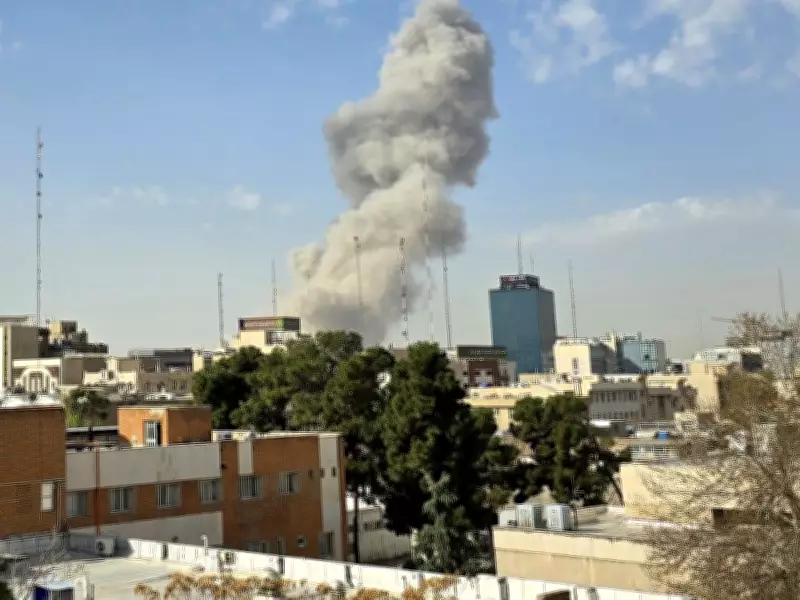
In a dramatic escalation of tensions, the United States and Israel have jointly announced that a military attack on Iran has resulted in the death of Supreme Leader Ayatollah Ali Khamenei and other senior officials. The operation, which occurred on Saturday, February 28, 2026, has ignited a fierce dispute over the fate of Iran's leadership and triggered widespread regional violence.
Conflicting Claims Emerge Amidst Chaos
Israeli Prime Minister Benjamin Netanyahu stated in a televised address that there is growing evidence Khamenei was killed during strikes targeting his compound. He urged Iranians to "take to the streets and finish the job," framing the attack as a move against tyranny. Concurrently, former U.S. President Donald Trump confirmed to NBC News that Khamenei died in the airstrikes, calling it a successful operation that eliminated most of Iran's senior leadership.
However, Iran's Foreign Minister Abbas Araghchi countered these assertions, telling NBC News that Khamenei and President Masoud Pezeshkian are alive "as far as I know." He denounced the attack as unprovoked and illegal, claiming other high-level officials survived. This contradiction has created a fog of uncertainty, with reports from Israeli media suggesting multiple political and military figures were killed, including Defence Minister Amir Nasirzadeh and Islamic Revolutionary Guard commander Mohammad Pakpour.

Operation Details and Casualty Reports
The U.S. dubbed the mission "Operation Epic Fury," while Israel named it "Lion's Roar." Trump announced the operation in a social media video, encouraging Iranian citizens to seize control of their government. The attack followed warnings from Trump about Iran's nuclear weapons program, with him emphasizing regime change during a State of the Union address.
Casualty figures are staggering, with Iran's state television reporting more than 200 deaths nationwide. The Red Crescent confirmed 201 fatalities and 747 injuries across 24 provinces, highlighting the extensive reach of the strikes. In a tragic incident, an all-girls school in Minab was hit, killing at least 85 people, though it remains unclear if this was due to U.S., Israeli, or Iranian fire.
Regional Retaliation and International Fallout
In response, Iran's Islamic Revolutionary Guard launched retaliatory strikes, targeting U.S. military bases in the Middle East. A missile hit a luxury hotel in Dubai, injuring four people, while attacks in Bahrain and Qatar saw drones and missiles intercepted near U.S. facilities. The United Arab Emirates condemned these actions as a violation of sovereignty, pledging to protect its territories.
As the situation unfolds, global attention remains fixed on the veracity of claims regarding Khamenei's death and the broader implications for regional stability. With both sides digging in, the conflict threatens to escalate further, underscoring the volatile nature of international relations in this tense era.