Coordinated U.S.-Israeli Military Strike Targets Iran Amid Political Turmoil
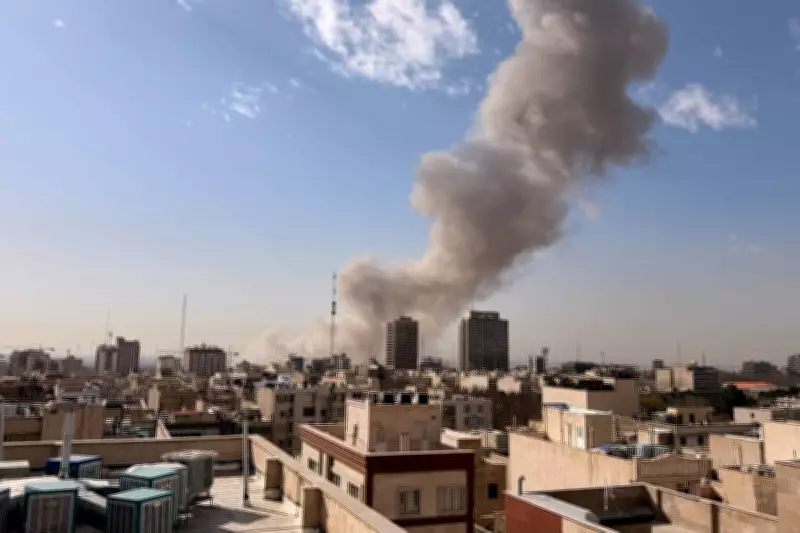
In a significant escalation of tensions in the Middle East, the United States and Israel launched a major military attack on Iran on February 28, 2026. The assault resulted in visible explosions and smoke rising over the skyline of Tehran, Iran's capital, as confirmed by Associated Press imagery. The precise targets and extent of the damage remain under assessment, but the operation marks a direct confrontation between Western allies and the Iranian regime.
Trump's Provocative Call to Action
Amid the chaos, former U.S. President Donald Trump issued a stark message urging Iranian citizens to "take over your government." This statement, delivered during the ongoing hostilities, adds a volatile political dimension to the military conflict. Trump's remarks are seen as an attempt to galvanize internal opposition against the Iranian leadership, potentially exacerbating instability in the region. Analysts suggest this could influence domestic Iranian politics and international diplomatic efforts.
Background and Implications of the Attack
The attack follows years of strained relations between Iran and Western nations, centered on issues such as nuclear proliferation, regional influence, and support for militant groups. The coordination between U.S. and Israeli forces underscores a strategic alliance aimed at countering Iranian military capabilities. Military experts indicate that the strike likely targeted key infrastructure or military installations, though official details are scarce due to operational security.

Regional and Global Reactions: The international community is closely monitoring the situation, with concerns about potential retaliatory measures from Iran and its allies. The attack could trigger broader conflicts in the Middle East, affecting global oil markets and geopolitical stability. United Nations officials have called for restraint, emphasizing the need for diplomatic solutions to prevent further escalation.
Context of Ongoing Tensions
This incident occurs against a backdrop of persistent animosity, including previous skirmishes and cyber operations between the involved parties. Iran has consistently denounced U.S. and Israeli policies, while both nations have accused Iran of destabilizing activities. The timing of the attack, coupled with Trump's statements, may be intended to pressure the Iranian government amid internal economic and social challenges.
As developments unfold, the world watches for Iran's response and the potential impact on global security. The situation remains fluid, with military and political analysts warning of unpredictable consequences.