The U.S. House of Representatives is preparing for a critical vote on resolutions designed to place constraints on former President Donald Trump's ongoing military campaign targeting Venezuela and international drug trafficking organizations. The move signals growing congressional scrutiny over the administration's foreign policy and defense actions.
Congressional Scrutiny and Defense Briefing
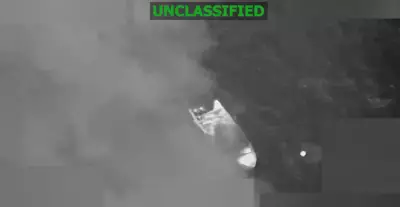
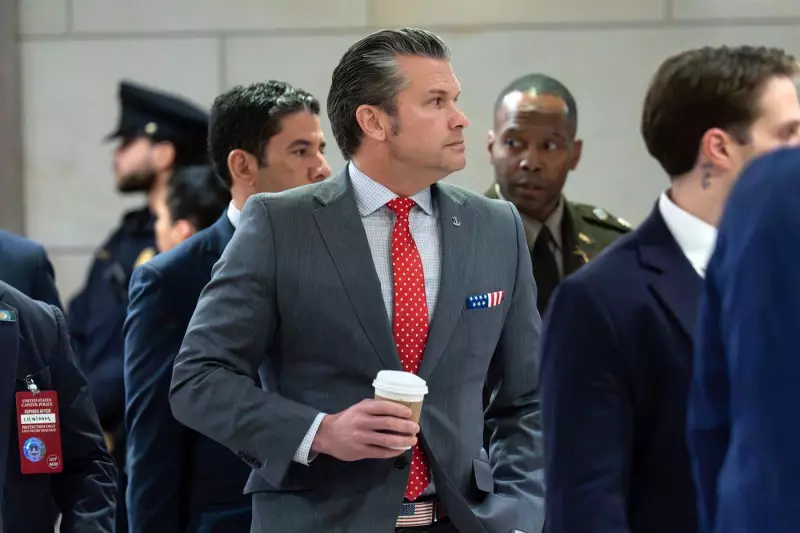
This legislative action follows a briefing for members of Congress by U.S. Defense Secretary Pete Hegseth. On Tuesday, December 16, 2025, Secretary Hegseth walked to the Capitol auditorium to inform lawmakers about recent military strikes conducted near Venezuela. The briefing, held in Washington, aimed to provide details on the scope and justification of the operations.
The proposed resolutions seek to establish clear boundaries and require greater congressional oversight for the campaign, which has involved direct military engagement. Proponents argue that such limits are necessary to ensure the campaign remains within its stated objectives and adheres to proper authorization.

Details of the Proposed Limits
While the exact legislative language of the resolutions was not detailed in the initial report, their intent is to curtail the executive branch's unilateral authority in this specific conflict. The campaign, initiated by the Trump administration, has focused on applying pressure on the Venezuelan government and disrupting the operations of powerful drug cartels in the region.
The vote, scheduled for December 17, 2025, represents a significant moment in the ongoing power dynamic between the legislative and executive branches concerning war powers and foreign intervention. The outcome could redefine the rules of engagement for U.S. forces involved in the complex geopolitical and anti-narcotics effort.
Broader Implications and Next Steps
The House's decision to move forward with these votes underscores a bipartisan desire for a more defined and accountable strategy. Critics of the unfettered campaign warn of mission creep and the potential for a prolonged, unauthorized military commitment.
Following the vote, the resolutions would proceed to the U.S. Senate for consideration. Their passage into law would mark a substantial congressional check on presidential military authority, setting a precedent for future administrations. The development is being closely watched by international allies and adversaries alike, as it could significantly alter the trajectory of U.S. policy in Latin America.