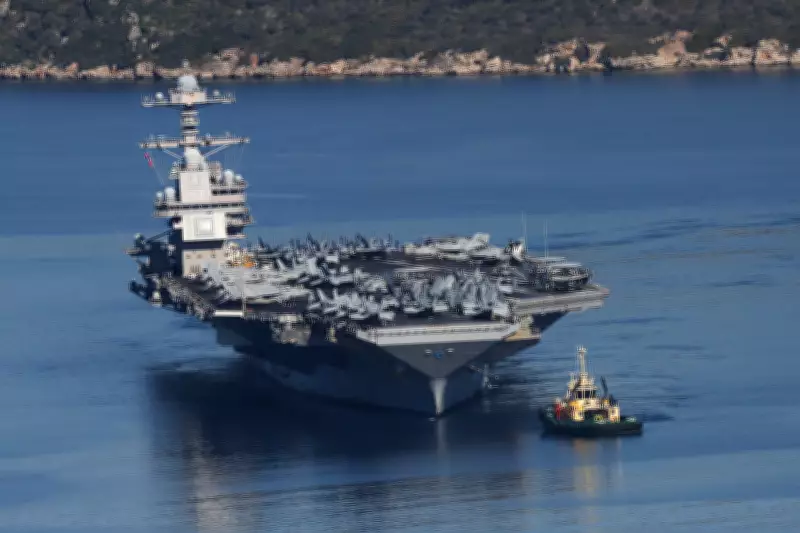
The USS Gerald R. Ford, a cornerstone of U.S. naval power currently deployed in the escalating war with Iran, is set to temporarily dock at port for repairs after an onboard fire disrupted its operations. This development underscores the intense pressures facing military assets as conflict in the Middle East deepens.
Operational Setback in a Critical Theater
According to reports from Reuters, the fire broke out on the nuclear-powered aircraft carrier, which has been a pivotal element in U.S. strategic maneuvers against Iranian forces. While details on the fire's cause and extent of damage remain under assessment, naval officials confirm the vessel will undergo necessary maintenance and safety checks at an undisclosed port facility. This unplanned hiatus comes at a sensitive juncture, with Iran launching retaliatory overnight attacks following the killing of a senior security chief, and Israeli strikes intensifying in Lebanon, further complicating the regional security landscape.
Broader Context of Escalating Tensions
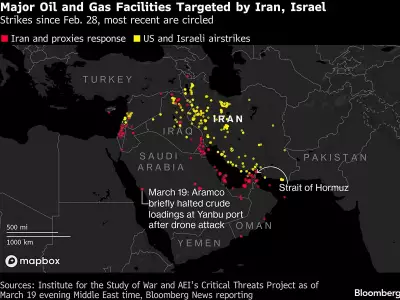
The Ford's temporary withdrawal from active duty coincides with heightened military and diplomatic activities. In Washington, the U.S. Senate has been scrutinizing top intelligence officials over the administration's handling of the Iran war, reflecting domestic political divisions. Meanwhile, coordinated assaults on major Iranian gas fields have been described by a military expert as a 'double-edged sword,' potentially destabilizing Iran's economy while risking broader escalation.

Military analysts note that the death of Iran's intelligence minister represents a significant blow to the regime, possibly altering Tehran's tactical responses. The carrier's fire, though not directly linked to combat, highlights the logistical and operational challenges of sustaining prolonged naval deployments in conflict zones.
Implications for U.S. Naval Strategy
The USS Ford, commissioned as the lead ship of its class, symbolizes advanced U.S. military capabilities with features like electromagnetic aircraft launch systems. Its temporary incapacitation raises questions about fleet readiness and maintenance cycles amid continuous engagement. Naval authorities emphasize that the port call is precautionary, aimed at ensuring the carrier's long-term operational integrity, but it inevitably temporarily reduces U.S. force projection in the region.
As the Middle East conflict shows no signs of abating, with oil prices surging and global markets reacting to the turmoil, the incident serves as a reminder of the physical toll on military hardware and personnel. The U.S. Navy has not specified a timeline for the Ford's return to duty, but reassurances have been given that other assets in the region will maintain operational coverage.