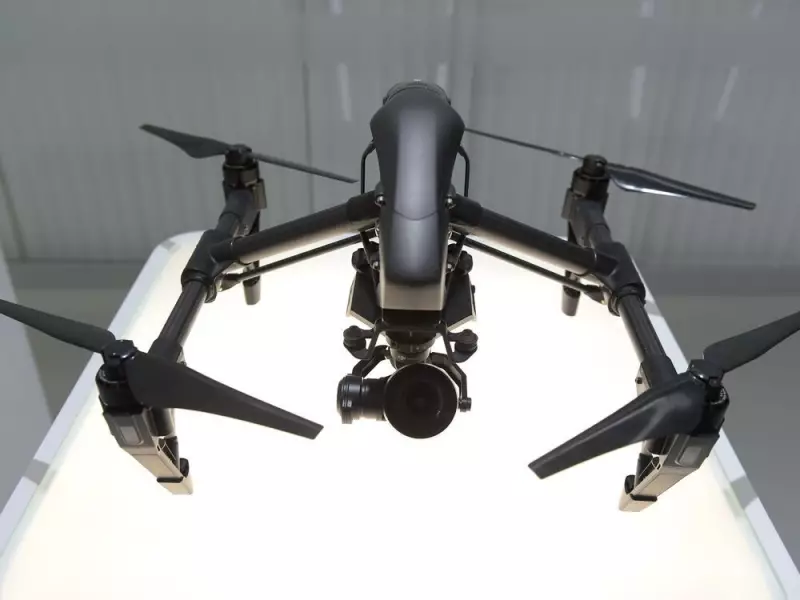
The United States is moving to lock its airspace to new drones manufactured abroad. The Federal Communications Commission (FCC) announced it will effectively ban most foreign-made unmanned aircraft and critical components from future sale within the country.
New Rules Target Future Imports
According to a public notice issued on December 22, 2025, the agency will generally refuse to grant the necessary equipment authorizations for non-domestic drones and their parts. This authorization is a mandatory certification most electronic devices must secure through a routine process before they can be legally sold to American consumers.
The critical detail is that these new regulations will only apply to future drone imports and sales. Drones that have already been sold to consumers or are currently in operation will not be affected, ensuring no immediate disruption to existing users.

A Long-Awaited Action Against DJI
The FCC's decision comes just one day before a congressionally mandated deadline. A law passed last year required the agency to add the world's leading Chinese drone manufacturer, SZ DJI Technology Co., to its "covered entity" list by December 23, 2025, barring intervention from national security officials.
FCC Chairman Brendan Carr has advocated for this action against DJI since 2021. In a social media post, Carr stated, "President Donald Trump has been clear that his Administration will act to secure our airspace and unleash American drone dominance." He emphasized the move was designed to not disrupt current users while addressing security risks.
Expanding the "Covered Entity" List
DJI is not the first company to face such restrictions. The FCC's covered entity list already includes several Chinese and Russian technology firms deemed national security threats, making them ineligible for equipment authorizations. Notable companies on this list include:
- Huawei Technologies Co. (China)
- ZTE Corp. (China)
- AO Kaspersky Lab (Russia)
The inclusion of DJI follows this established pattern of blocking telecommunications and surveillance equipment from companies linked to foreign adversaries. The FCC and DJI did not immediately respond to requests for further comment on the announcement.
This policy shift marks a significant step in the ongoing technological and security competition, aiming to bolster the domestic drone industry while addressing espionage and data security concerns associated with foreign-made unmanned aircraft systems.